Background of the Detention Camps
In the aftermath of the territorial defeat of the Islamic State (IS) in 2019, numerous individuals associated with the group were detained in camps across northeastern Syria. Among these are foreign nationals, including Australians, who have been living in dire conditions. The group of 34 Australian nationals consists of women and children who are either the wives, widows, or offspring of IS fighters. These camps have been criticized internationally for their poor living conditions and lack of basic human rights.
Australia's Repatriation Efforts
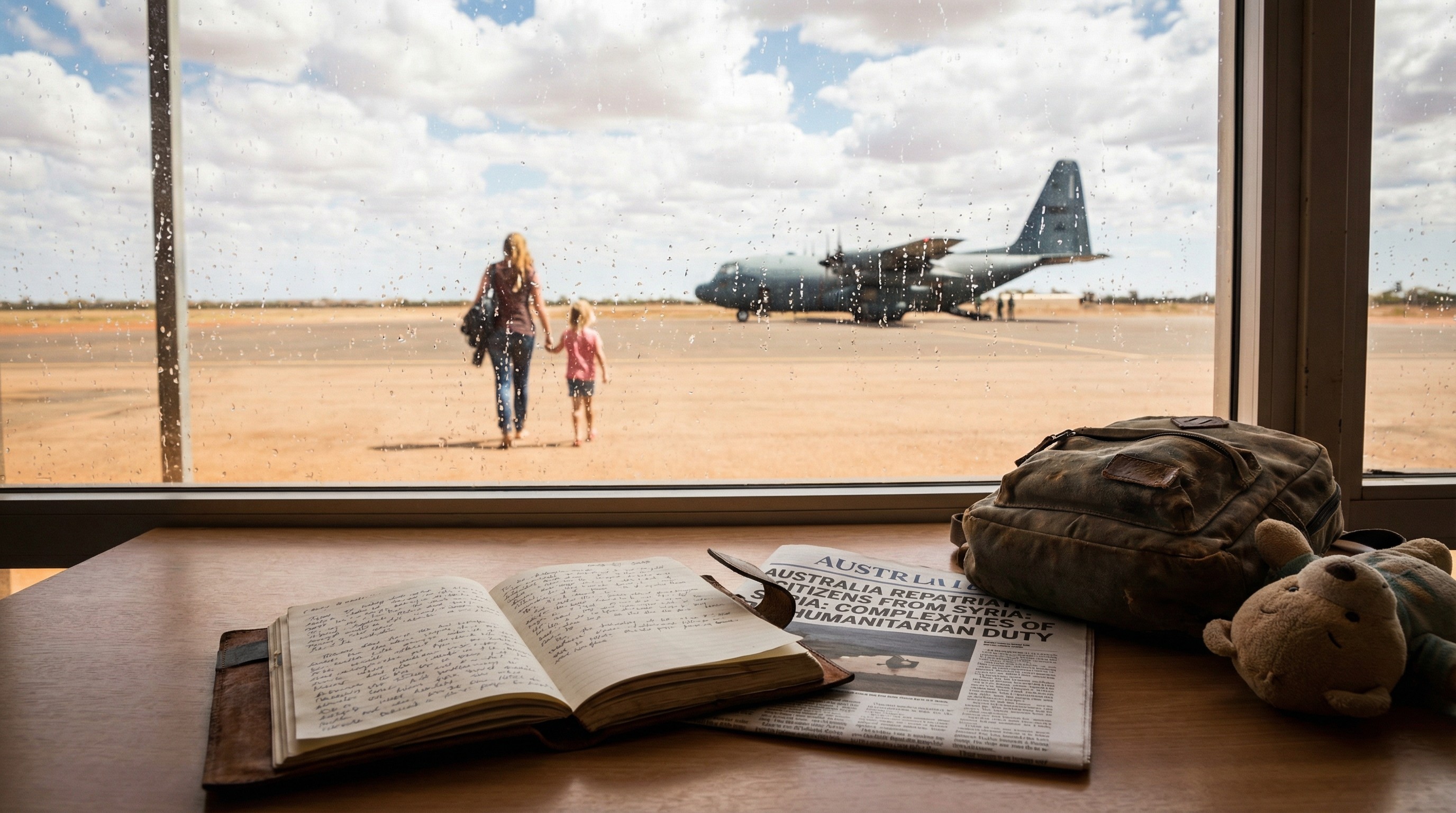
The Australian government has announced plans to repatriate these individuals, marking a significant step in addressing the humanitarian concerns associated with their prolonged detention. This decision follows years of advocacy from human rights organizations and legal representatives who have highlighted the plight of these detainees. The repatriation process is complex, involving logistical, legal, and security considerations.
Security and Legal Implications
Repatriating individuals with links to IS raises significant security concerns. The Australian government must assess potential risks and ensure that returnees do not pose a threat to national security. This involves thorough vetting processes and, where necessary, legal proceedings. Some returnees may face charges under Australia’s stringent anti-terrorism laws, while others may need to undergo rehabilitation and reintegration programs.
Humanitarian and Ethical Considerations
The decision to repatriate these individuals also reflects Australia's commitment to its international humanitarian responsibilities. Many of the children in these camps were born to Australian nationals and have known no life outside of the harsh conditions of detention. Human rights advocates argue that these children are victims of circumstance and deserve the opportunity for a normal life. The Australian government’s move is seen as an acknowledgment of these ethical imperatives.
Global Context and Future Outlook
Australia is not alone in grappling with the challenges of repatriating citizens from conflict zones. Several countries face similar dilemmas, balancing security concerns with humanitarian obligations. The outcome of Australia’s repatriation efforts may set a precedent for how other nations handle similar situations. As the international community continues to deal with the remnants of IS, the focus on rehabilitation and prevention of radicalization will be crucial in ensuring long-term security and stability.