Political Instability within Australia's Coalition
Australia's political landscape is currently marked by internal strife within the Coalition, particularly following the short-lived leadership of former opposition leader Sussan Ley. Prime Minister Anthony Albanese has highlighted the challenges Ley faced during her 276-day tenure, attributing her struggles to undermining by conservative colleagues Angus Taylor and Andrew Hastie. This internal discord reflects broader issues within the Coalition, raising questions about its future stability and effectiveness.
Leadership Challenges and Party Dynamics
Sussan Ley's leadership was notably brief, and she was unable to deliver a budget reply, a significant milestone for any opposition leader. Albanese's comments underscore the 'rough game' of politics and the difficulties faced by leaders who are not fully supported by their party. This situation is not unique to Ley, as political parties globally often grapple with internal divisions that can impact their public image and policy priorities.
Security Concerns: Australians in Terrorist Hotspots
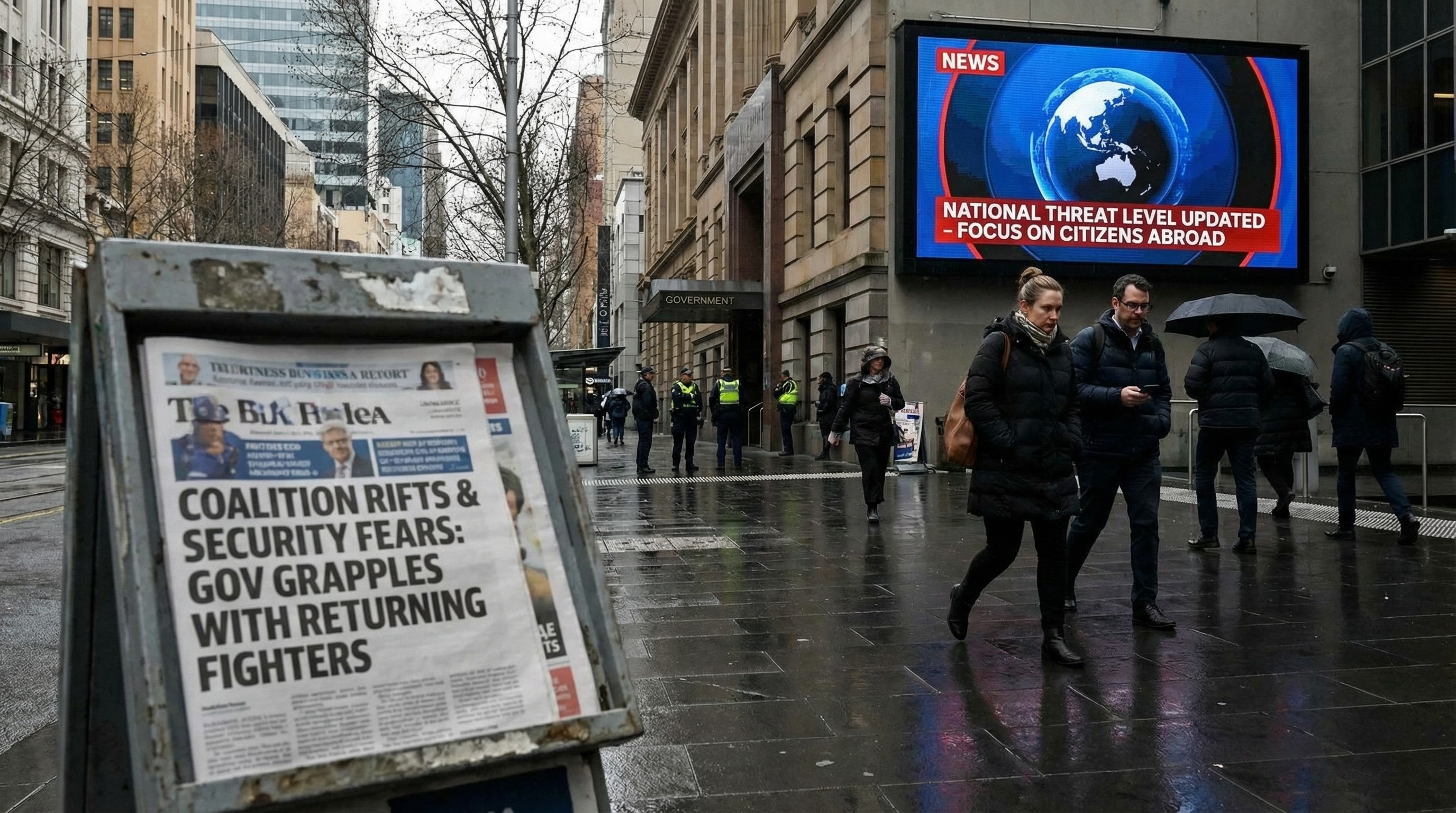
Beyond political challenges, Australia is also dealing with security concerns, particularly regarding citizens who have traveled to conflict zones to support terrorist organizations. The government is under pressure to ensure that individuals who have engaged in activities with groups like the Islamic State cannot return to Australia, posing a potential threat to national security.
Legal and Policy Implications
The government has been criticized for not having strong enough laws to prevent the return of these individuals. Critics argue that existing legislation needs to be strengthened to safeguard Australian values and security. The debate highlights the ongoing tension between national security and civil liberties, a common issue faced by countries dealing with terrorism-related challenges.
Outlook: Navigating Political and Security Challenges
As Australia navigates these political and security challenges, the government's ability to manage internal party dynamics and address national security concerns will be crucial. The Coalition's internal stability and the government's response to security threats will likely influence public confidence and Australia's political landscape in the coming months.