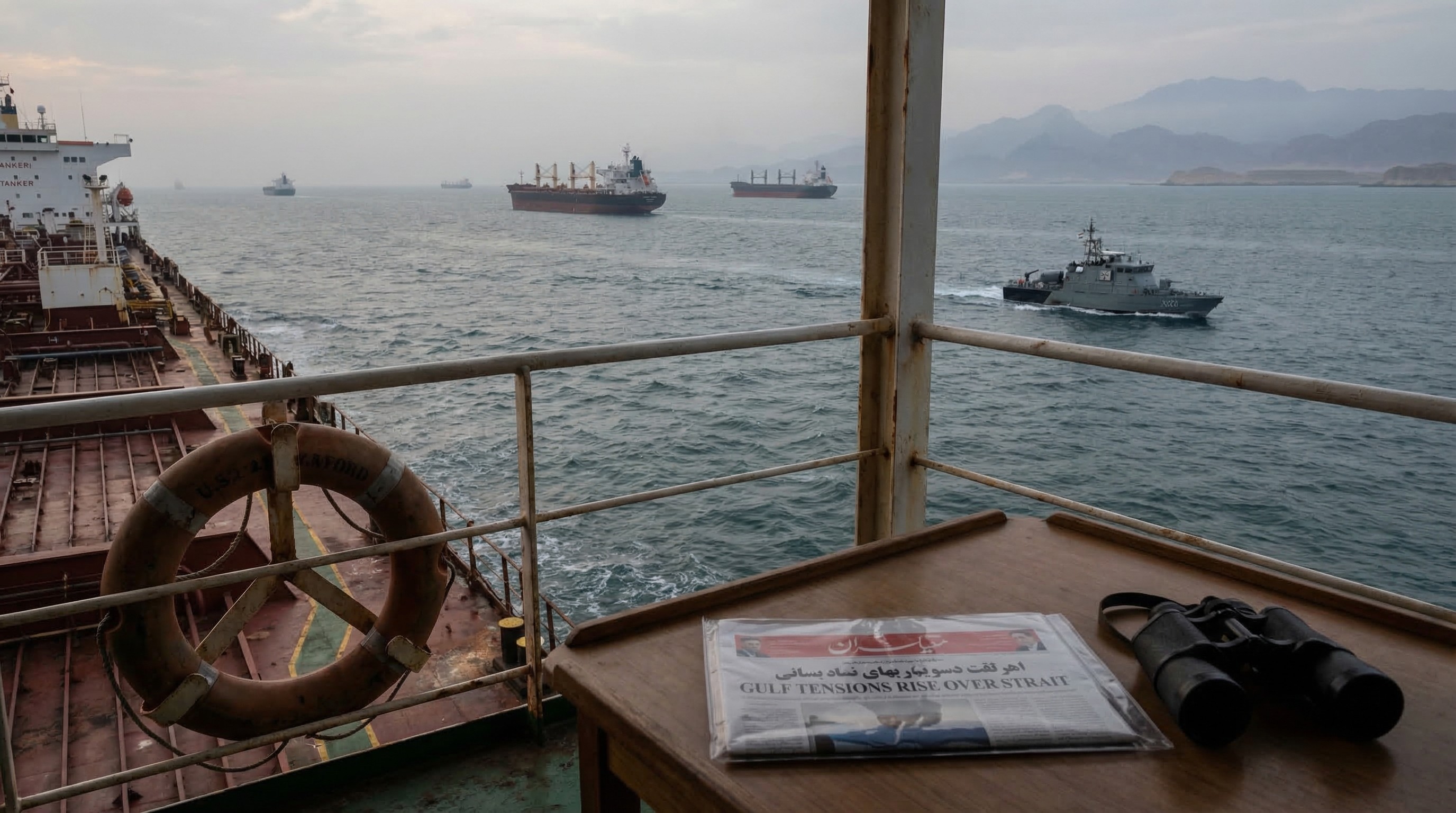
Rising Tensions in the Middle East
The Middle East is once again on the brink of heightened conflict as tensions escalate, posing significant risks to international travel and the safety of foreign nationals in the region. Recent developments have seen airports in the area targeted, with Iran being implicated in these strikes. The precarious situation has raised concerns among various governments about the safety of their citizens, prompting discussions on potential evacuation strategies.
Australia's Contingency Plans
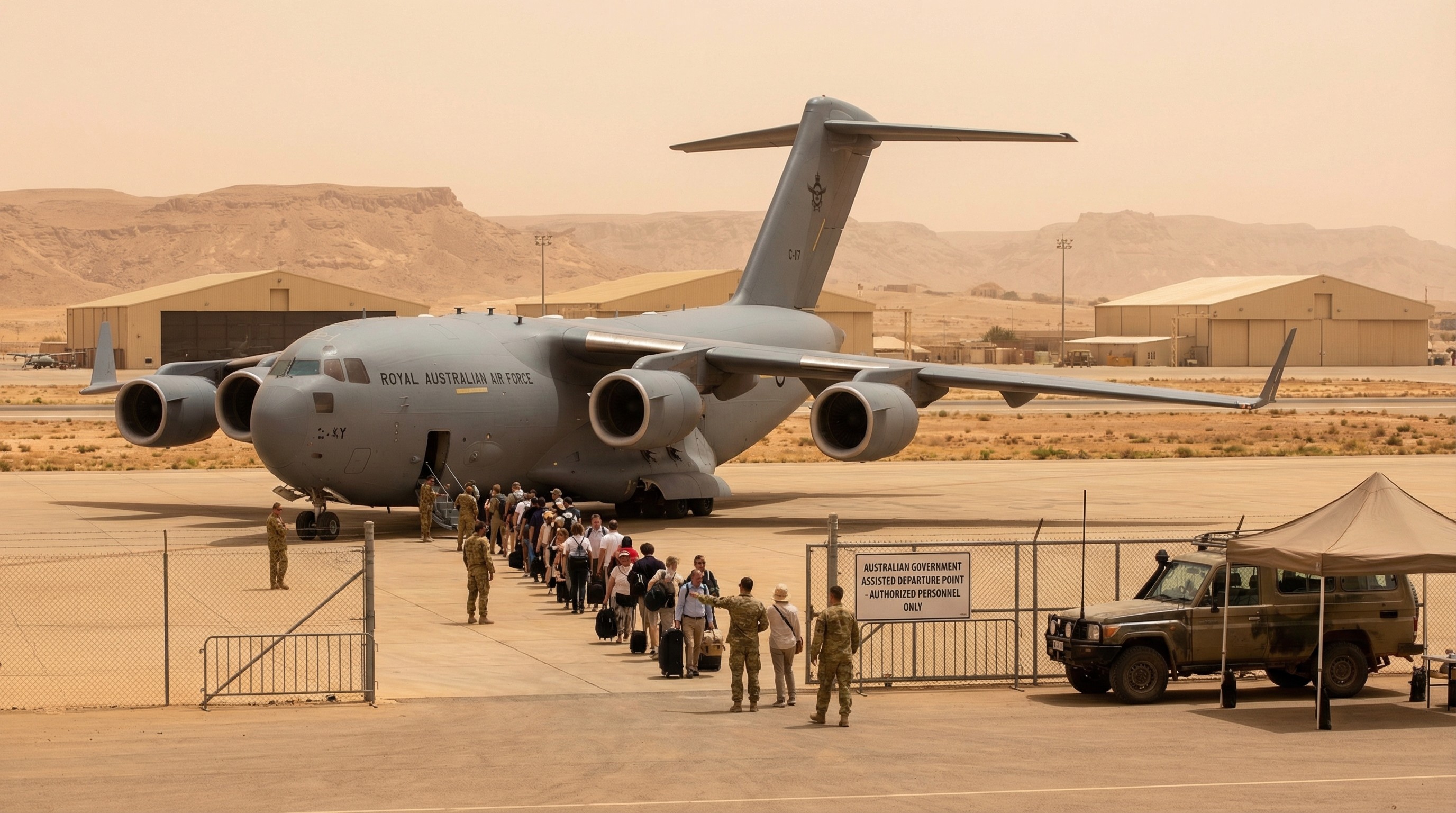
In light of the deteriorating security situation, Australia is evaluating the possibility of using military assets to repatriate its citizens from the Middle East. Shadow Defence Minister James Paterson has highlighted the challenging environment for commercial airlines operating in the region, emphasizing the need to consider all available options for ensuring the safety of Australians abroad. This includes the potential deployment of Australian Defence Force (ADF) planes to facilitate evacuations, should commercial travel options become untenable.
Bipartisan Support for Evacuation Efforts
Paterson has assured that any decision to use military assets for evacuation purposes would receive bipartisan support within the Australian government. The use of military planes for evacuations is not unprecedented, as Australia has previously undertaken similar operations to extract citizens from conflict zones. However, the current situation is also seen as a reflection of broader geopolitical challenges, including the failure of international diplomatic efforts to address ongoing tensions in the Middle East.
International Law and Diplomatic Concerns
The unfolding crisis has sparked discussions about adherence to international law and the role of multilateral institutions in maintaining global peace and security. Canada has expressed its concerns about the lack of consultation and engagement with allies before recent military actions were taken by the United States and Israel. The absence of a coordinated international response has led to criticisms that recent actions may be inconsistent with international law, further complicating the diplomatic landscape.
Looking Ahead: Implications and Future Actions
As the situation continues to evolve, the international community faces the challenge of navigating a rapidly spreading conflict that threatens civilian lives and regional stability. The potential use of military assets for evacuation underscores the seriousness of the threat and the need for comprehensive strategies to protect citizens abroad. Moving forward, countries like Australia and Canada are likely to advocate for renewed diplomatic efforts and adherence to international legal frameworks to address the underlying causes of the conflict and prevent further escalation.