
AI in Children's Toys: A Growing Trend
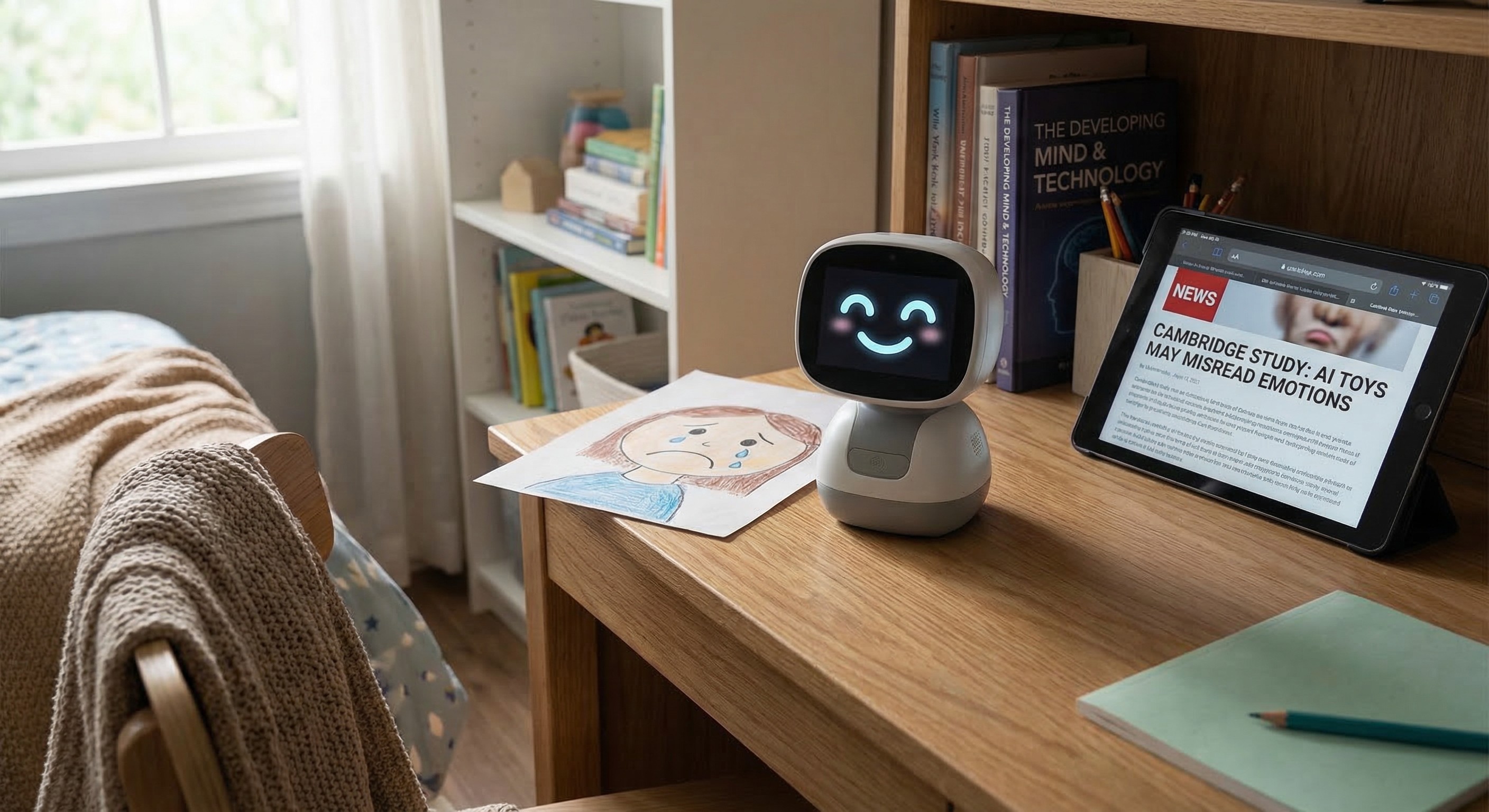
The integration of artificial intelligence into children's toys has been a burgeoning trend, promising to revolutionize the way children learn and play. These AI-enabled toys are designed to interact with children, offering personalized experiences by recognizing and responding to their emotions. However, a recent study conducted by researchers at the University of Cambridge raises significant concerns about the accuracy of these toys in interpreting children's emotional states.
Study Uncovers Misinterpretation Issues
The Cambridge study, the first of its kind, highlights that AI toys may not be as effective as once thought in reading and responding to children's emotions. The research indicates that these toys can misread emotional cues, potentially leading to inappropriate or confusing interactions. This finding is particularly concerning given the increasing reliance on AI toys to support educational and emotional development in children.
Implications for Child Development
The potential for AI toys to misinterpret emotions raises questions about their impact on child development. Experts suggest that inaccurate emotional responses from AI toys could affect a child's emotional intelligence and social skills. If a toy consistently misreads a child's emotions, it may fail to provide the necessary support or reinforcement that a child needs, leading to frustration or misunderstandings.
Privacy Concerns and Ethical Considerations
Beyond developmental implications, the study also touches on privacy concerns associated with AI toys. These devices often require access to personal data to function effectively, raising ethical questions about data collection and usage. Parents and guardians are increasingly wary of how their children's data is stored and used, especially when it involves sensitive information like emotional responses.
The Future of AI in Toys
As AI technology continues to evolve, the findings from the Cambridge study underscore the need for improved accuracy and ethical standards in AI toys. Manufacturers may need to invest in more sophisticated algorithms that better understand the nuances of human emotions. Additionally, there is a growing call for stricter regulations to ensure that these toys are safe and beneficial for children. The study serves as a reminder of the challenges and responsibilities that come with integrating AI into everyday life, especially in products designed for children.