The Intersection of Tariffs and Technology
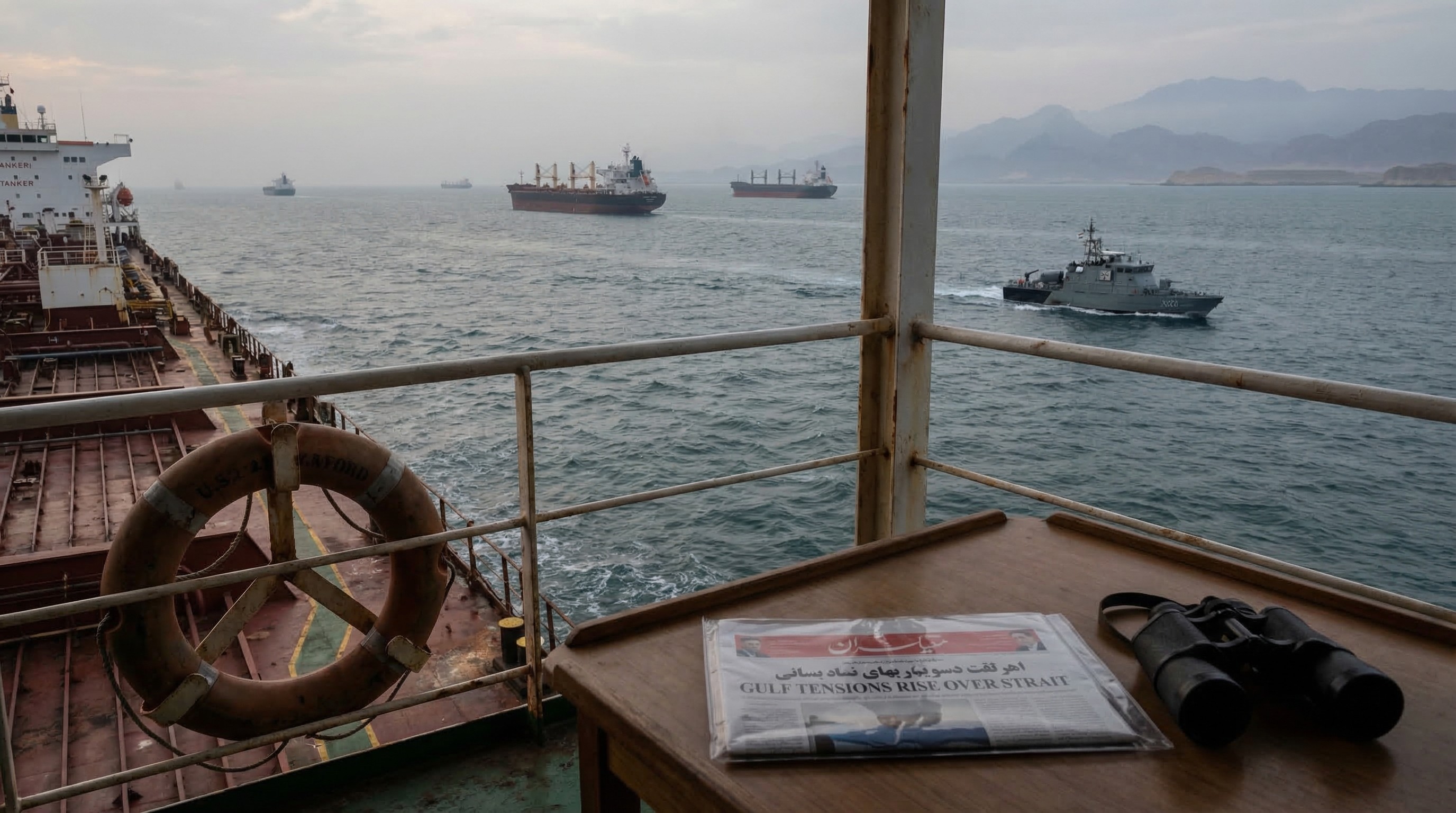
In the complex world of international trade, tariffs have long been a significant factor affecting the bottom line of businesses. These taxes on imports can alter the cost structure for companies, impacting everything from pricing strategies to supply chain decisions. Recently, the introduction of AI-powered tools is beginning to transform how businesses handle tariffs, offering potential relief through more efficient refund processes.
Flexport's Innovative Solution
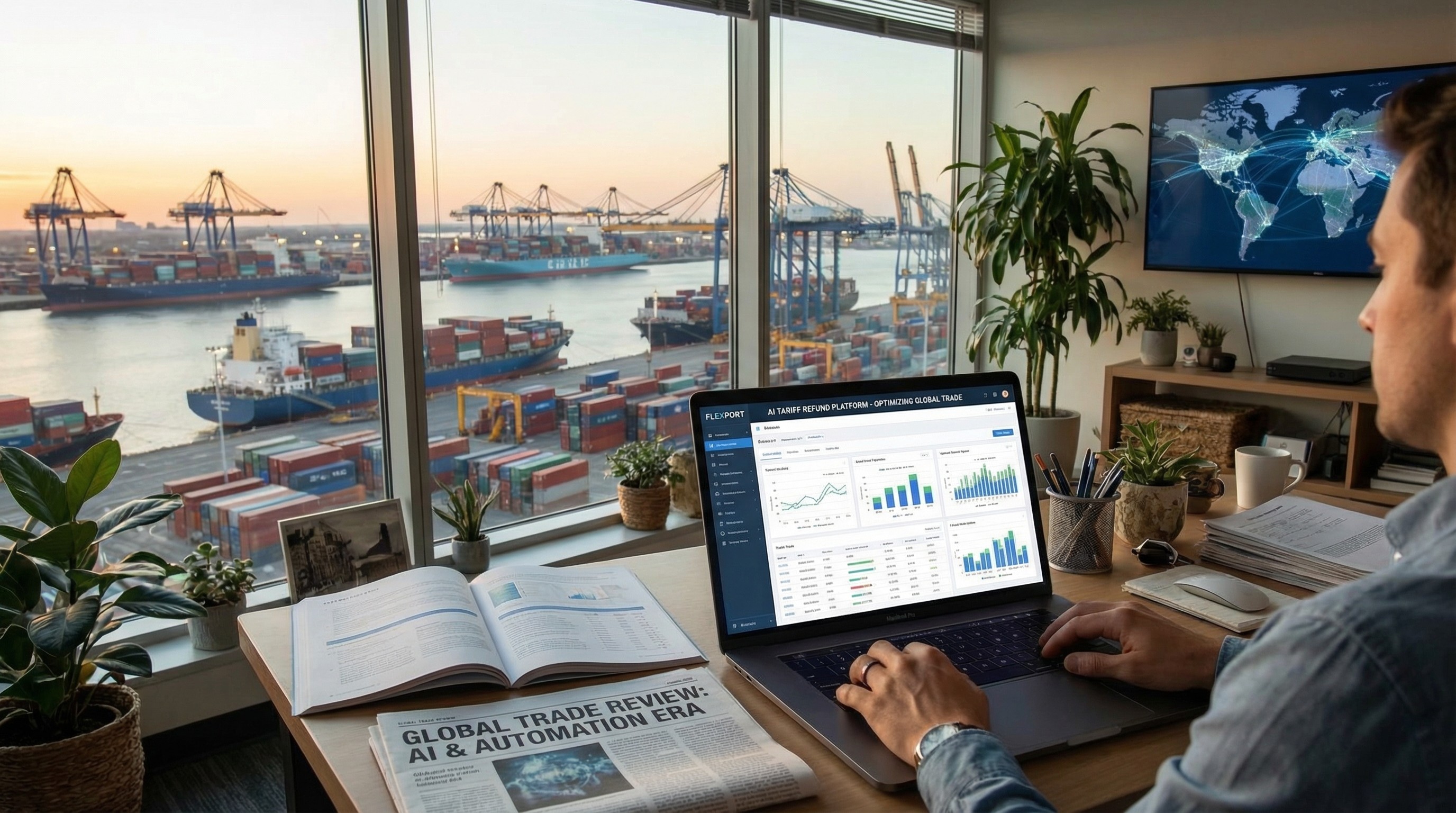
Flexport, a leader in global logistics, has developed an artificial intelligence tool designed to assist companies in navigating the intricate tariff landscape. Announced by Ryan Petersen, Founder and CEO of Flexport, the tool aims to help businesses estimate potential tariff refunds and streamline the necessary paperwork for claims. This AI-driven approach represents a significant shift towards leveraging technology to mitigate the financial burdens imposed by tariffs.
Understanding the Economic Impact
Tariffs can significantly impact global trade dynamics, influencing costs and competitiveness. For businesses, the ability to reclaim tariffs can mean substantial savings, directly affecting their financial health and operational efficiency. By utilizing AI, companies can not only identify refund opportunities more accurately but also expedite the typically cumbersome refund process, allowing for better financial planning and resource allocation.
Broader Implications for Global Trade
The introduction of AI tools in managing tariffs is part of a broader trend of digital transformation in international trade. As businesses increasingly seek to optimize operations and reduce costs, technology offers powerful solutions. The potential for AI to improve accuracy and efficiency in handling tariffs could encourage more companies to engage in cross-border trade, thereby boosting economic activity and fostering global connections.
Future Outlook
Looking ahead, the role of AI in international trade is likely to expand, with more companies adopting such technologies to gain a competitive edge. As AI tools become more sophisticated, their application in areas like tariff management could evolve, offering even greater precision and integration with other business processes. For now, Flexport's initiative marks a promising step towards a more technologically advanced approach to global commerce.