AI's Role in Modernizing Defense Software
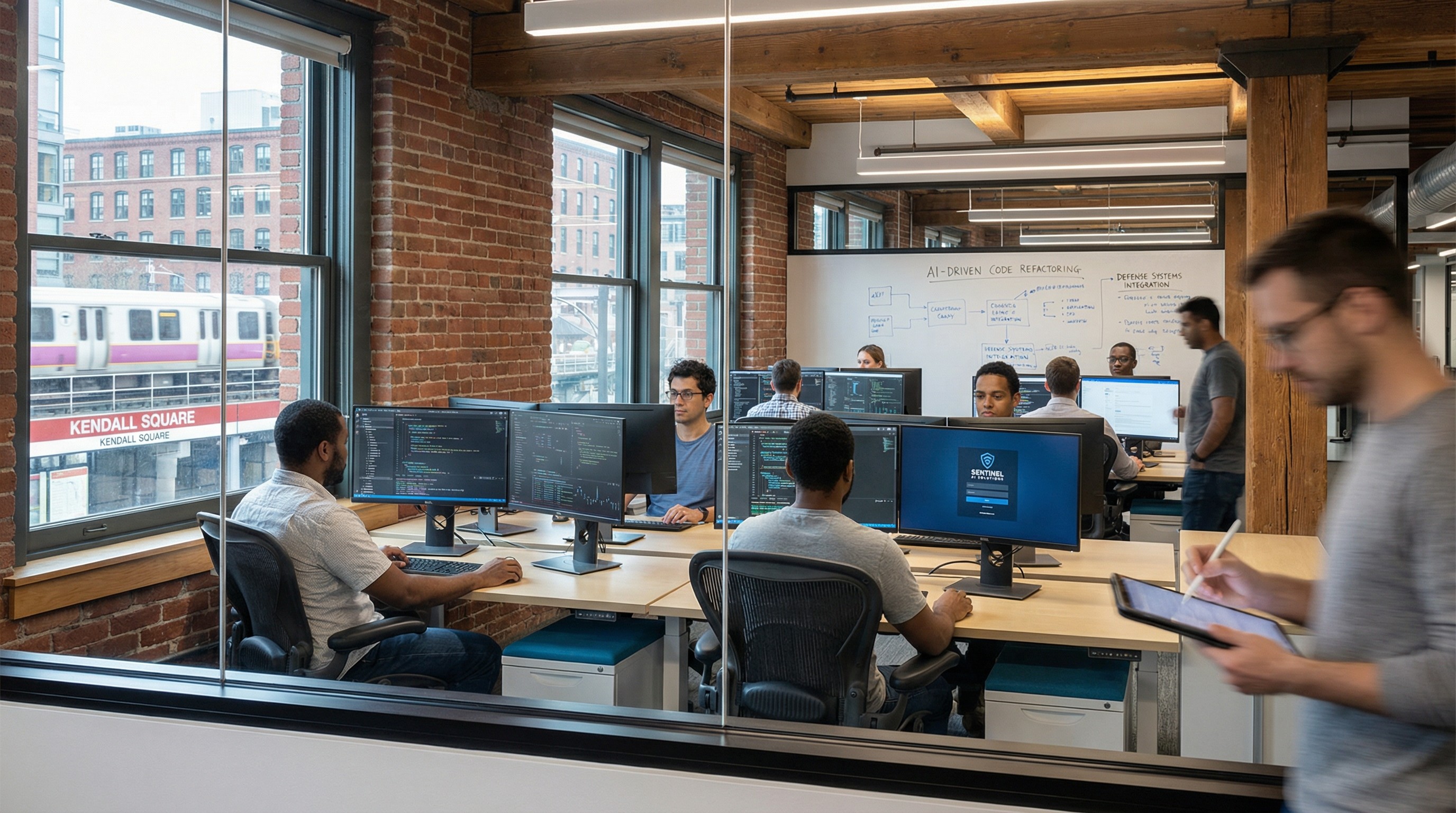
In the rapidly evolving technological landscape, defense contractors face the challenge of updating legacy software systems while maintaining security and functionality. A Boston-based startup is addressing this issue by employing artificial intelligence (AI) to translate and verify outdated software, ensuring modernization efforts do not introduce new vulnerabilities.
The Challenge of Legacy Systems
Legacy systems, often built decades ago, form the backbone of many defense operations. However, these systems are increasingly becoming obsolete, posing security risks and operational inefficiencies. The complexity of these systems makes manual updates costly and time-consuming, increasing the demand for automated solutions.
AI as a Solution
The Boston startup has developed an AI-driven platform that automates the translation and verification of legacy software. This technology not only accelerates the modernization process but also ensures that new bugs are not introduced during updates. By leveraging AI, the startup provides a scalable and efficient solution for defense contractors looking to maintain cutting-edge technology.
Implications for the Defense Industry
The use of AI in modernizing defense software has significant implications for the industry. By reducing the time and cost associated with software updates, defense contractors can allocate resources more effectively. Furthermore, the enhanced reliability and security of modernized systems can lead to improved operational performance and reduced risk of cyber threats.
Future Outlook
As AI technology continues to advance, its applications in software modernization are expected to expand. For defense contractors, adopting AI-driven solutions could become a standard practice, paving the way for more agile and secure defense operations. The Boston startup's innovative approach may set a precedent for how legacy systems are updated across various sectors.