/
The Rise of AI in Military Operations
As artificial intelligence continues to advance, its integration into military operations has become a focal point of discussion among defense experts and policymakers. The potential of AI to enhance decision-making, improve efficiency, and provide strategic advantages is undeniable. However, this technological evolution also raises significant ethical and operational questions, particularly concerning the extent to which AI should be involved in warfare.
The Pentagon-Anthropic Dispute
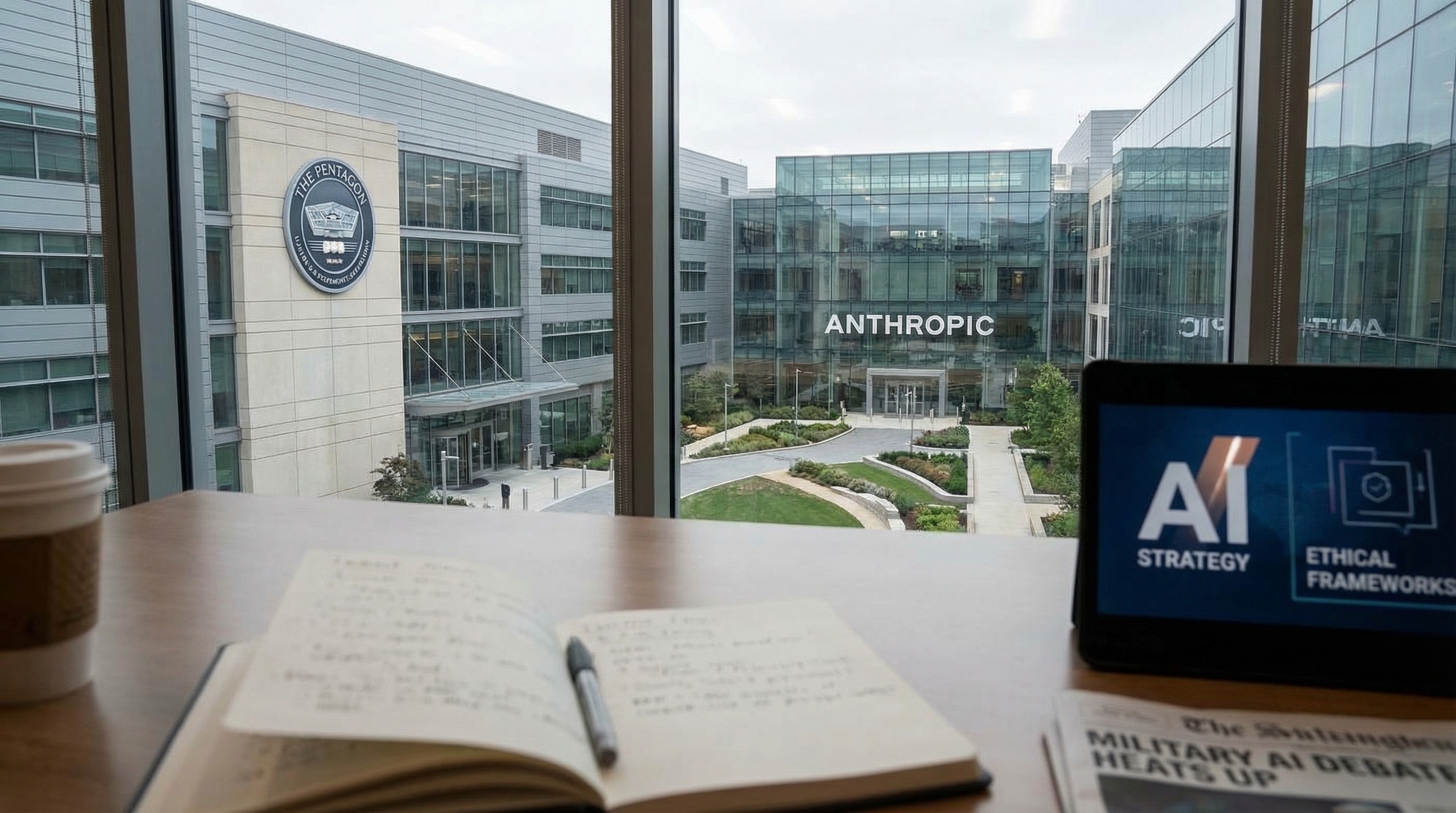
The recent conflict between the U.S. Department of Defense and AI company Anthropic underscores the complexities involved in deploying AI technologies in military contexts. At the core of this dispute is the question of how far AI can and should go in warfare. While the Pentagon seeks to leverage AI for strategic advantages, Anthropic is reportedly cautious about the ethical implications and potential misuse of its technology. This standoff reflects broader concerns about the militarization of AI and the need for stringent guidelines and oversight.
Ethical and Strategic Implications
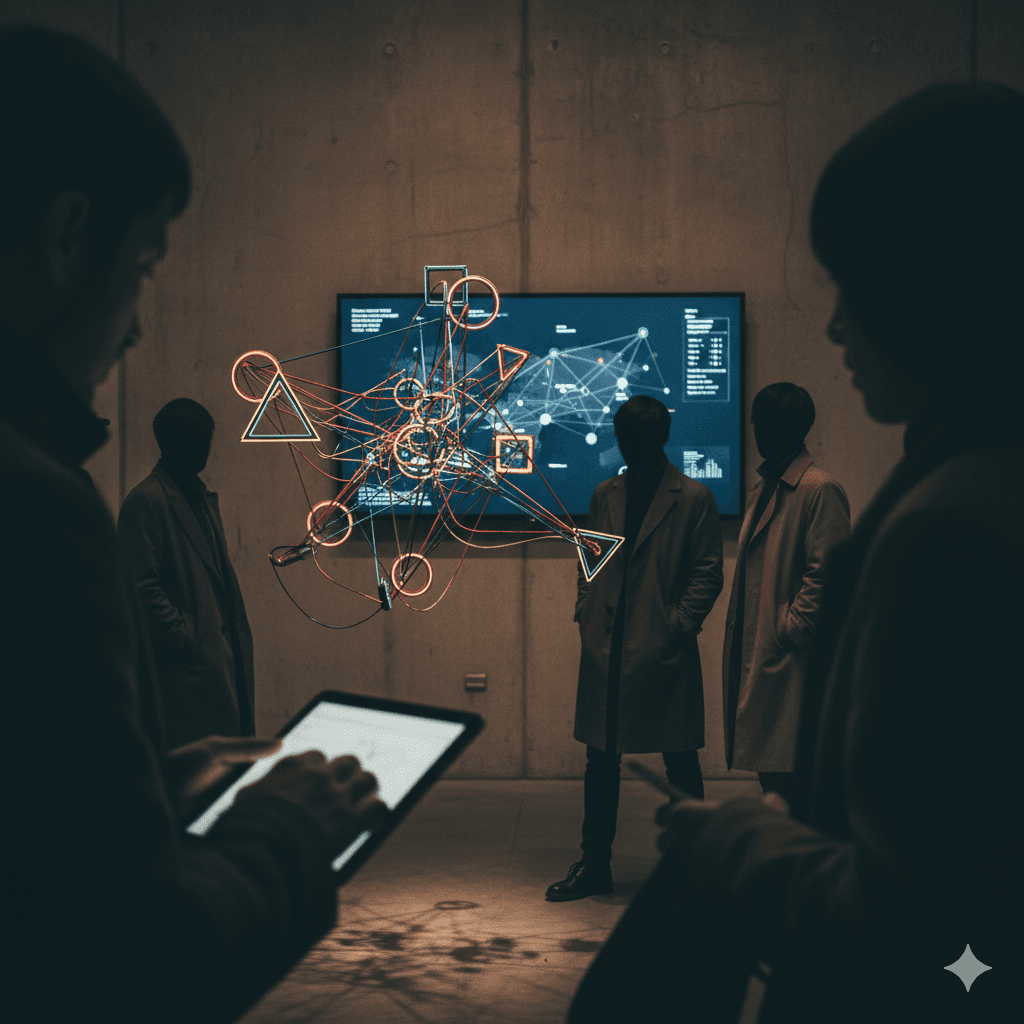
The integration of AI into military operations presents a dual-edged sword. On one hand, AI can significantly enhance the capabilities of armed forces by providing real-time data analysis, predictive analytics, and autonomous systems that can operate in high-risk environments. On the other hand, there are profound ethical implications, including the potential for AI to make life-and-death decisions without human intervention, which raises questions about accountability and the moral responsibilities of deploying such technologies.
Regulatory and Policy Challenges
As AI continues to be integrated into defense strategies, establishing clear regulatory frameworks becomes crucial. Policymakers face the challenge of balancing the need for innovation with the necessity of ensuring that AI technologies are used responsibly and ethically. This includes setting international standards for AI use in warfare, developing robust oversight mechanisms, and fostering collaboration between governments, industry leaders, and ethical bodies to navigate the complexities of AI deployment in military contexts.
The Future of AI in Warfare
Looking ahead, the role of AI in warfare is likely to expand, driven by technological advancements and the strategic imperatives of modern military operations. However, the ongoing Pentagon-Anthropic conflict highlights the importance of addressing the ethical, strategic, and regulatory challenges that accompany this evolution. As nations continue to explore the potential of AI in defense, the need for comprehensive policies and international cooperation becomes increasingly evident to ensure that AI is used in a manner that aligns with global ethical standards and security interests.