
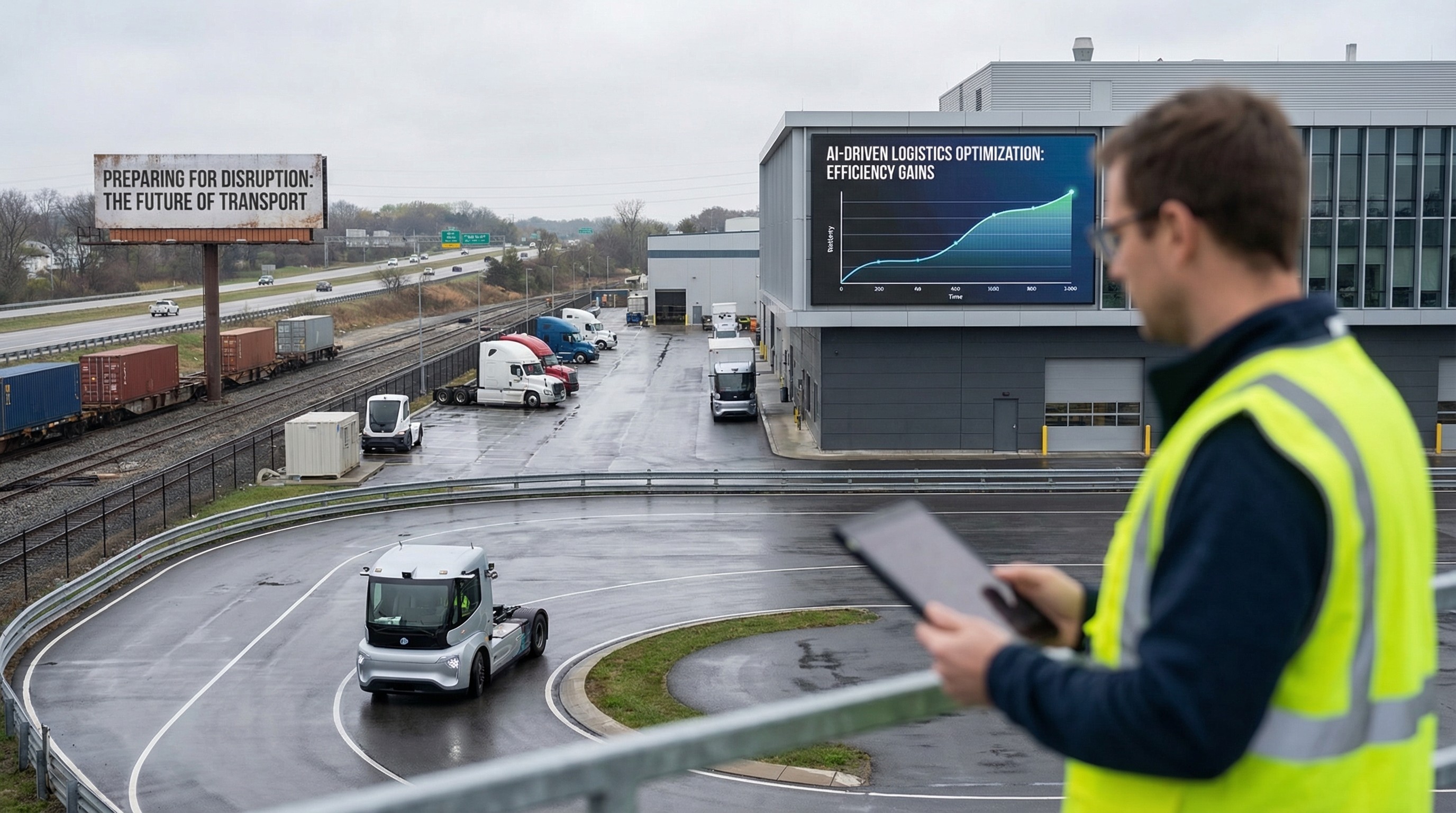
AI's Expanding Influence Across Industries
Artificial Intelligence (AI) continues to make significant strides, reshaping various sectors and altering traditional business models. As AI technology advances, industries such as automotive and transport are bracing for potential disruption. This development is not just a technological shift but a transformative force that could redefine market dynamics and competitive landscapes.
Vulnerable Sectors: Auto and Transport
The automotive and transport industries are particularly susceptible to AI-driven changes. Innovations such as autonomous vehicles and AI-powered logistics systems promise increased efficiency and reduced costs. However, these advancements also pose challenges to existing business models. Companies within these sectors must adapt quickly to stay competitive, investing in AI technologies while managing the transition of their workforce.
Strategic Adaptations by Companies
To navigate this evolving landscape, companies are adopting various strategies. Many are investing heavily in research and development to integrate AI into their operations. This includes partnerships with tech firms and startups to leverage cutting-edge AI solutions. Additionally, businesses are focusing on upskilling their workforce to ensure employees can work alongside AI technologies effectively.
Broader Implications for the Global Economy
The impact of AI extends beyond individual sectors, affecting the global economy at large. As AI becomes more integrated into business operations, it is expected to drive economic growth through increased productivity. However, this shift also raises concerns about job displacement and the need for new regulatory frameworks to address ethical and privacy issues associated with AI technologies.
Future Outlook: Preparing for AI Integration
Looking ahead, the integration of AI into industries will likely accelerate. Companies that proactively embrace AI and adapt their strategies will be better positioned to thrive in the new economic landscape. Policymakers and industry leaders must collaborate to address the challenges posed by AI, ensuring that the benefits of this technology are widely shared while mitigating potential negative impacts.