
Racism in Football: A Persistent Issue
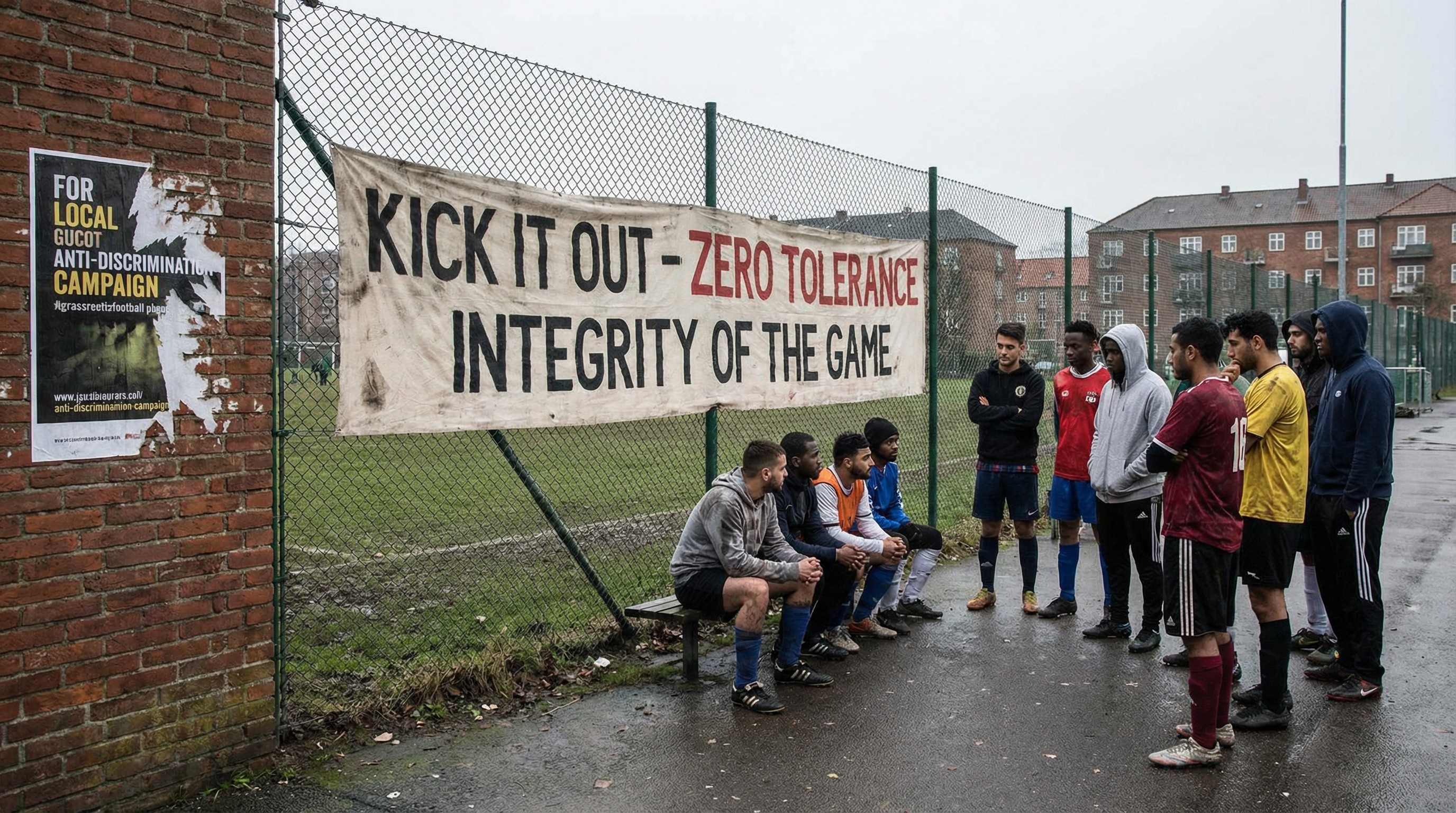
Racism in football has been a long-standing issue that continues to plague the sport globally. Despite numerous campaigns and initiatives aimed at eradicating discriminatory behavior, incidents of racism persist both on and off the pitch. This ongoing challenge has prompted renewed calls for stricter measures and a zero-tolerance policy towards any form of racial abuse within the sport.
Recent Incidents Highlight the Problem
Recent events in various football leagues have underscored the need for decisive action against racism. Players, coaches, and fans alike have reported instances of racial abuse, with some high-profile cases capturing international attention. These incidents not only harm the individuals directly involved but also tarnish the reputation of the sport as a whole. The visibility of these events highlights the urgency for football authorities to implement more effective strategies to combat racism.
Calls for Zero Tolerance
Key figures in the football community, including Chelsea head coach Liam Rosenior, have been vocal about the need for a zero-tolerance approach to racism. Rosenior's stance is clear: anyone found guilty of racist behavior should be excluded from the game. This perspective is shared by many who believe that only through strict enforcement and severe consequences can the sport begin to rid itself of this deep-rooted issue.
Efforts to Combat Racism
Football governing bodies have introduced various measures to address racism, including educational programs, awareness campaigns, and stricter penalties for offenders. Initiatives such as UEFA's "No to Racism" campaign and FIFA's "Say No to Racism" aim to promote inclusivity and respect within the sport. However, critics argue that these efforts have not been sufficiently effective, as evidenced by the recurrence of racist incidents.
The Path Forward
Moving forward, a multi-faceted approach is necessary to combat racism in football. This includes not only punitive measures but also proactive educational efforts at all levels of the sport. Clubs, leagues, and governing bodies must work collaboratively to foster an environment where racism is unequivocally condemned and diversity is celebrated. Furthermore, the involvement of fans and communities is crucial in driving cultural change and ensuring that football remains a sport for everyone.