
Growing Crisis in Domestic Violence-Related Suicides
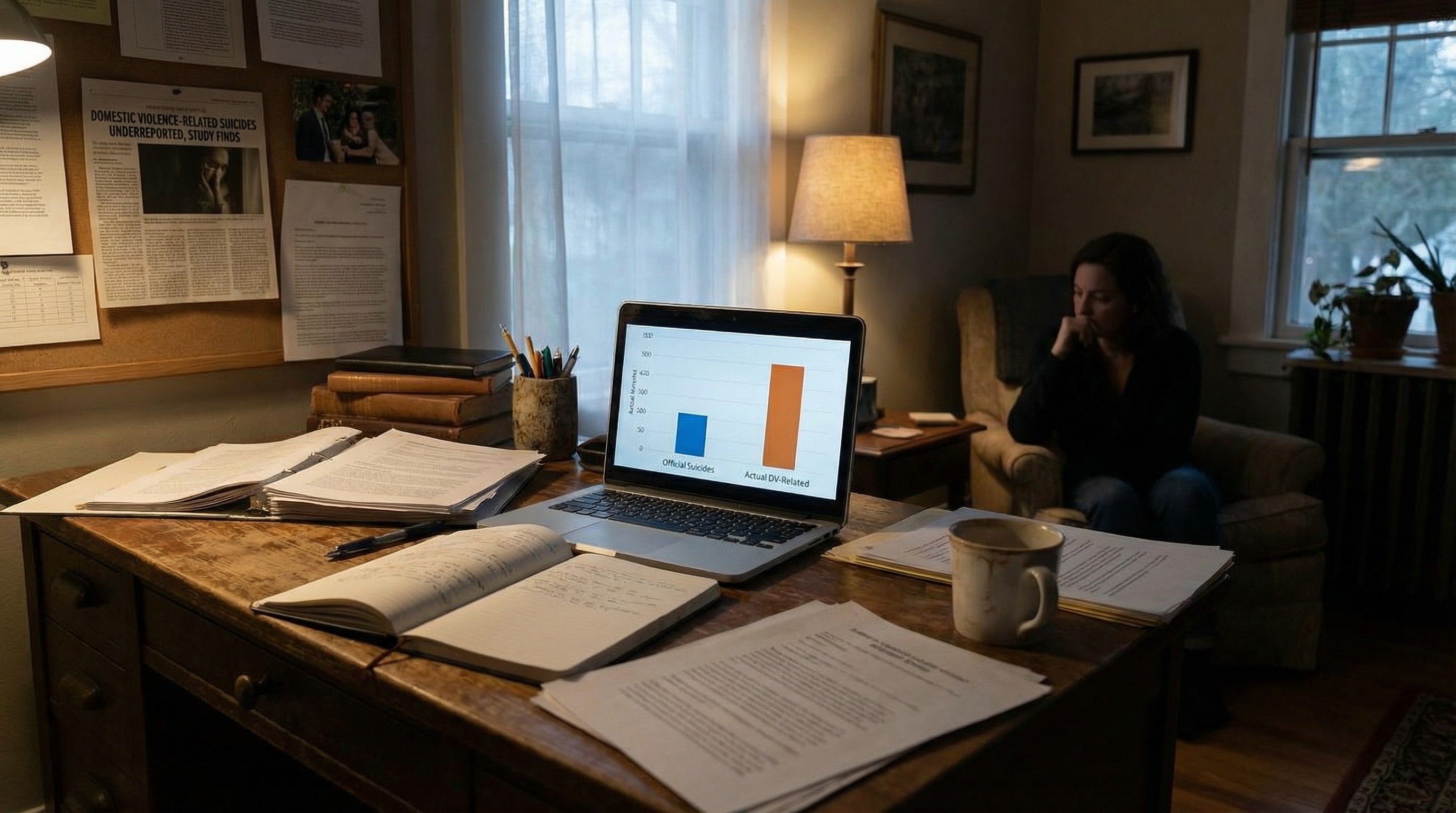
New research has uncovered a troubling discrepancy in the reporting of suicides linked to domestic violence, suggesting that official statistics may capture as little as 10% of actual cases. This revelation has sparked concern among experts who describe the situation as a 'national scandal.' The findings indicate that women in abusive relationships are increasingly more likely to end their own lives than to be killed by their partners.
Systemic Underreporting and Its Implications
The underreporting of domestic violence-related suicides points to systemic failures in how these cases are identified and recorded. Experts argue that many of these deaths are either misclassified or overlooked by law enforcement and public health officials, leading to a significant underestimation of the crisis. This misrepresentation not only skews public understanding but also hampers the allocation of resources needed to address and prevent such tragedies.
Challenges in Data Collection and Reporting
The challenges in accurately tracking domestic violence-related suicides stem from multiple factors, including inadequate training for police officers to recognize the signs of domestic abuse, and the lack of standardized procedures for linking suicides to domestic violence. Additionally, there is often a stigma attached to both suicide and domestic abuse, which can discourage reporting and open dialogue about these issues.
Implications for Policy and Prevention Efforts
The underreporting of these suicides has significant implications for policy-making and prevention strategies. Without accurate data, it becomes difficult to design effective interventions and allocate resources where they are most needed. Experts call for improved data collection methods, better training for law enforcement, and comprehensive support systems for victims of domestic violence to help mitigate this hidden crisis.
Outlook and Future Directions
Addressing the underreporting of domestic violence-related suicides requires a coordinated effort from government agencies, law enforcement, and community organizations. By improving data accuracy and increasing awareness, stakeholders can better understand the scope of the issue and develop targeted strategies to support victims and prevent future tragedies. This effort is crucial not only for saving lives but also for fostering a society where domestic violence is actively combated and its victims are adequately supported.