
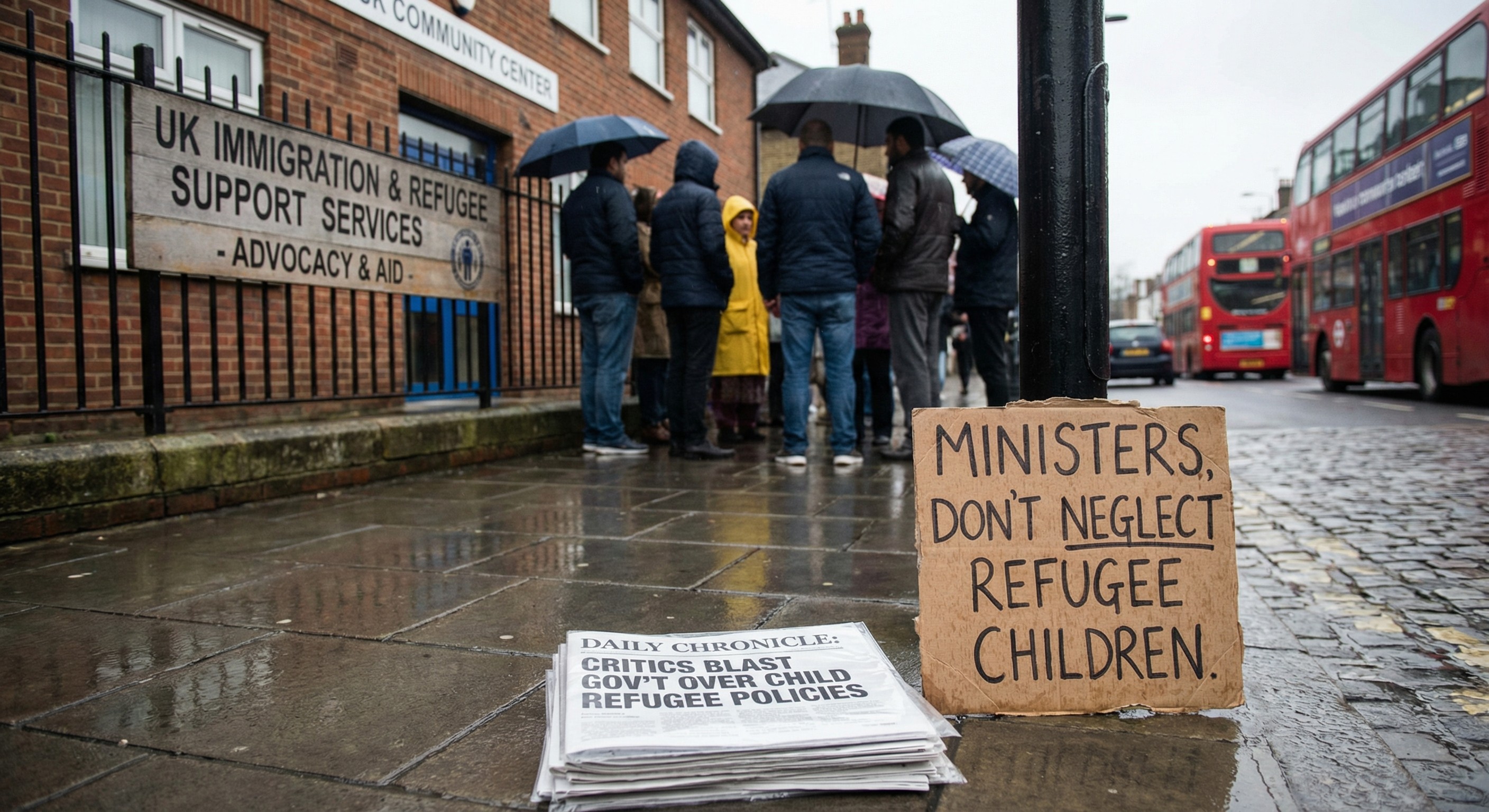
UK Immigration Policies Under Scrutiny
The United Kingdom's approach to immigration has come under renewed scrutiny, with criticisms emerging over the treatment of refugee children. The debate has intensified following comments from veteran Labour peer Alf Dubs, who has expressed concern over the government's stance on unaccompanied minors seeking refuge in the UK.
Background on the Controversy
Alf Dubs, a prominent figure in UK politics and a refugee himself, has accused current ministers of neglecting their responsibilities to refugee children. Dubs, who arrived in the UK as a child fleeing Nazi persecution, argues that some ministers are "pulling up the drawbridge" after securing their own positions. This criticism is particularly directed at Home Secretary Shabana Mahmood, whose family migrated from Pakistan.
Key Concerns and Accusations
Dubs has voiced concerns that the UK government is aligning with more stringent anti-immigration sentiments, as represented by figures like Nigel Farage and his Reform UK party. The specific issue at hand is the prevention of unaccompanied children from reuniting with family members already residing in the UK. This policy decision has sparked debate about the ethical implications and humanitarian responsibilities of the UK.
Implications for UK Policy
The criticism from Dubs highlights a broader tension within the UK government over immigration policies. The debate touches on the balance between border control and humanitarian obligations. Critics argue that the current approach undermines the UK's long-standing tradition of offering refuge to those in need, while supporters of stricter policies cite national security and immigration control as priorities.
Outlook and Potential Changes
As the debate continues, there is potential for policy shifts depending on public opinion and political pressure. The UK government may face increasing calls to revisit its stance on refugee children, particularly in light of its international reputation and commitments to human rights. The outcome of this debate could have significant implications for the future of UK immigration policy.