
Introduction to Microreactors
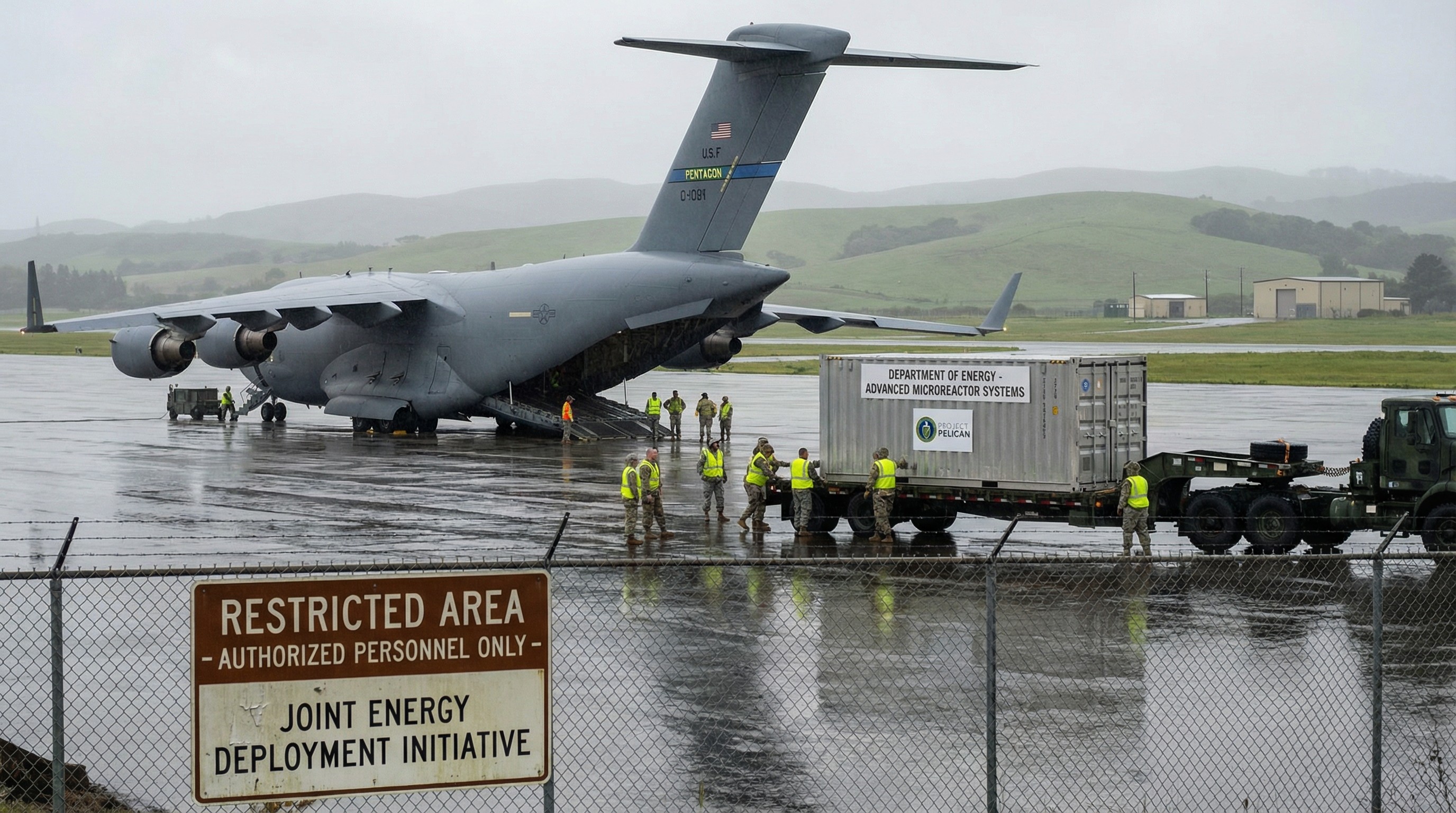
In a significant move that underscores a shift in U.S. energy strategy, the Pentagon, in collaboration with the Department of Energy, has initiated the transportation of a microreactor. This initiative aligns with the Trump administration's broader goal of rapidly deploying nuclear power across the country. The operation involved airlifting parts of an unfueled Ward 250 microreactor, developed by Valar Atomics, marking the first such transportation effort in the United States.
Strategic Implications
The deployment of microreactors is a critical component of the U.S. strategy to enhance energy security and independence. These small, portable nuclear reactors are designed to provide a reliable power source in remote or off-grid locations, thereby reducing reliance on traditional energy infrastructures that may be vulnerable to disruptions. The Pentagon's involvement highlights the potential military applications of microreactors, particularly in powering bases and operations in isolated areas.
Benefits of Nuclear Microreactors
Microreactors offer several advantages over conventional nuclear power plants. Their compact size and modular design allow for easier transportation and installation, making them ideal for deployment in challenging environments. Additionally, they are designed to operate with minimal human intervention and can provide a steady power supply for extended periods, which is crucial for both military and civilian applications. These reactors also promise lower upfront costs and shorter construction times compared to traditional nuclear facilities.
Challenges and Concerns
Despite their potential benefits, the deployment of microreactors is not without challenges. Safety concerns remain paramount, as the transportation and operation of nuclear materials require stringent security measures to prevent accidents or potential misuse. Moreover, public perception of nuclear energy, often shaped by past nuclear incidents, may pose a hurdle to widespread acceptance. Regulatory hurdles and the need for robust infrastructure to support these reactors are additional factors that need to be addressed.
Future Outlook
The successful airlift of the microreactor components represents a milestone in the U.S. government's efforts to integrate advanced nuclear technology into its energy portfolio. As the Pentagon and Department of Energy continue to explore the potential of microreactors, this initiative could pave the way for broader adoption of nuclear power in both military and civilian sectors. The focus will likely remain on ensuring the safety, efficiency, and public acceptance of these technologies as they become a more prominent feature of the nation's energy landscape.