
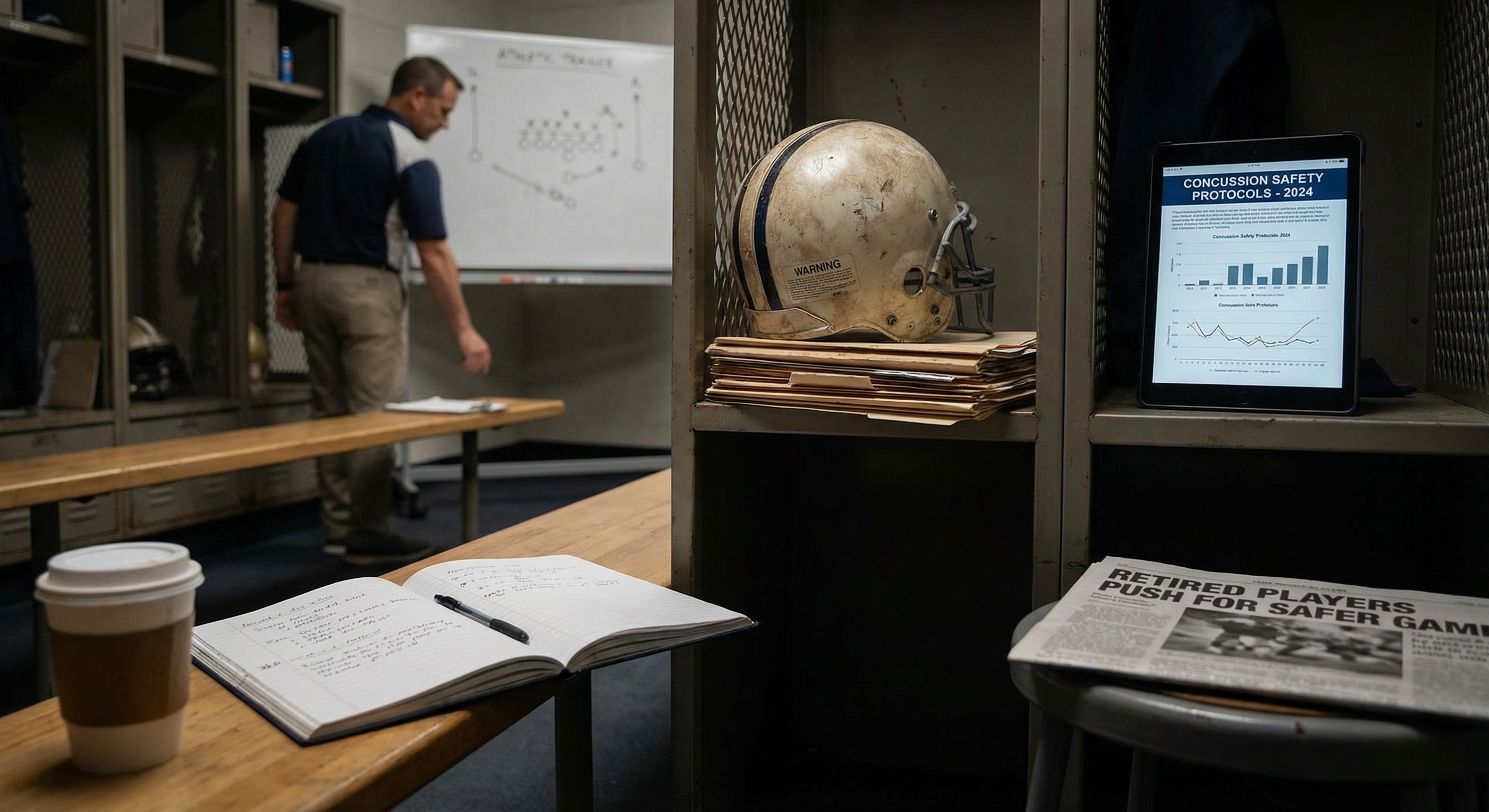
Understanding the Impact of Head Injuries in Sports
Head injuries in professional sports have become a critical area of concern, with growing evidence pointing to their severe long-term consequences. Athletes across various sports are increasingly speaking out about the physical and mental toll these injuries take on their lives. The issue has gained prominence as more professionals share their personal experiences, highlighting the urgent need for improved safety measures and protocols.
The Case of Josh Jones: A Personal Account
Josh Jones, a professional athlete, recently opened up about his struggles with the aftermath of head injuries sustained during his sports career. He revealed that the effects of these injuries brought him to the brink of suicide, underscoring the gravity of the issue. Jones' account is not isolated; many athletes have reported similar experiences, indicating a widespread problem that demands attention.
Long-Term Effects and Health Implications
Head injuries, particularly concussions, can lead to a range of long-term health issues, including chronic traumatic encephalopathy (CTE), a degenerative brain condition. Symptoms can include memory loss, depression, and severe cognitive decline, which can significantly impact an athlete's quality of life. The growing body of research on CTE and other related conditions has prompted calls for more comprehensive studies and better protective measures in sports.
Current Safety Measures and Their Limitations
While sports organizations have implemented various safety protocols to mitigate the risk of head injuries, critics argue that these measures are often insufficient. Helmets and other protective gear can reduce the risk of injury but cannot entirely prevent concussions. Additionally, the culture of toughness in sports often discourages athletes from reporting symptoms, leading to underreporting and inadequate treatment.
Future Outlook and the Need for Change
The conversation around head injuries in sports is evolving, with increasing pressure on governing bodies to prioritize athlete health. Innovations in protective equipment, along with changes in game rules and better education on the risks of head injuries, are essential steps forward. Furthermore, fostering an environment where athletes feel comfortable speaking out about their health issues without fear of stigma or career repercussions is crucial for real progress.