
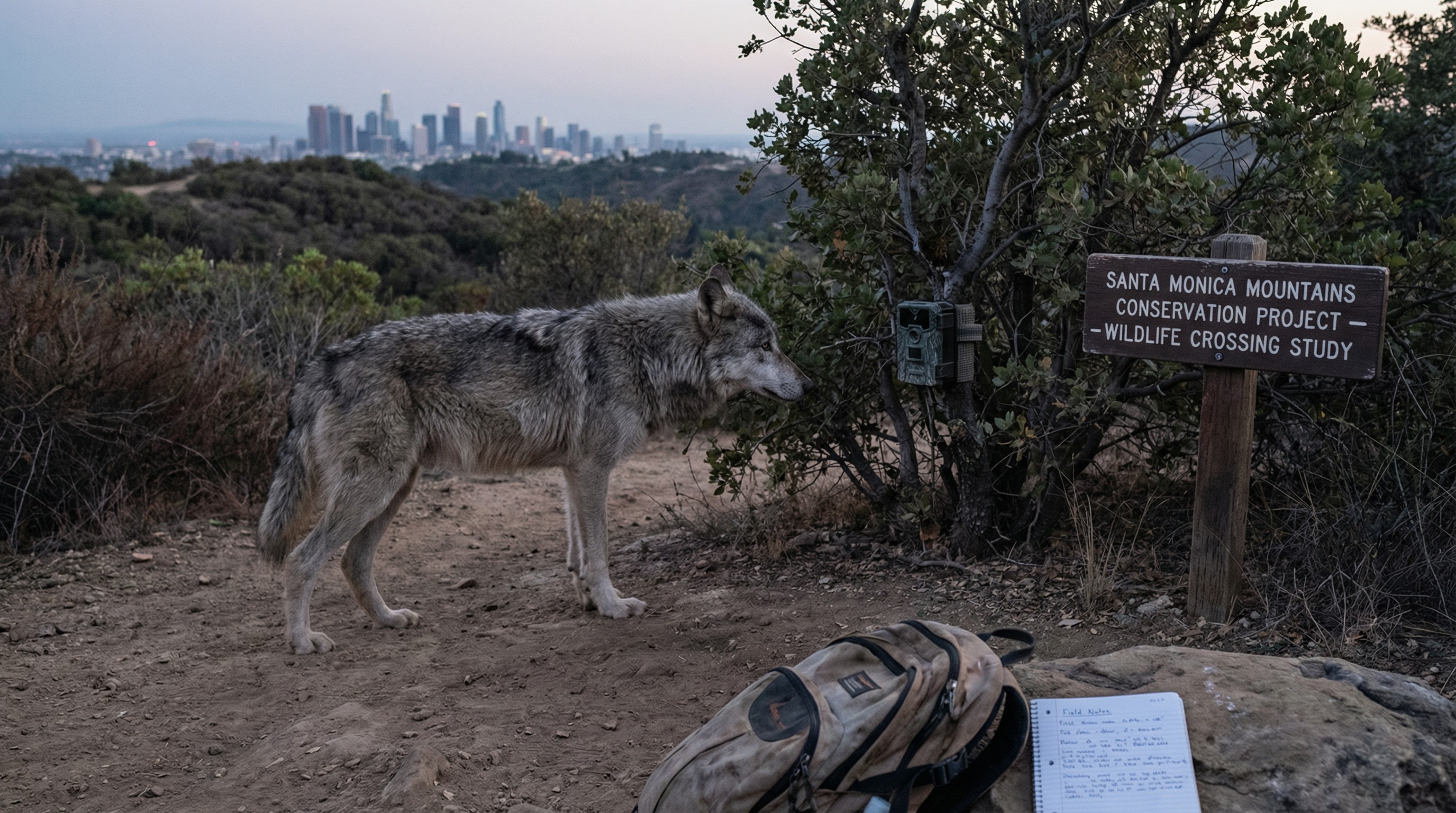
Historic Wildlife Sighting in Los Angeles
In a remarkable turn of events, a gray wolf has been spotted in Los Angeles County for the first time in over a century. The wolf, identified as a three-year-old female known as BEY03F, was seen crossing into the county early on February 7. This sighting marks a significant milestone in the history of wildlife in California, as it represents the southernmost verified presence of a gray wolf in modern times.
Significance of the Gray Wolf's Return
The return of the gray wolf to Los Angeles County is not only a rare occurrence but also a reflection of the broader conservation efforts aimed at restoring the species to its native habitat. Gray wolves were once widespread across North America, but their numbers dwindled significantly due to hunting, habitat loss, and other human activities. In recent years, conservation programs have been working to reintroduce and protect these animals, leading to occasional sightings in areas where they had been absent for decades.
Conservation Efforts and Challenges
Efforts to reintroduce gray wolves in California have been ongoing, with various organizations and government agencies collaborating to ensure their survival. The California Department of Fish and Wildlife (CDFW) has been at the forefront of these initiatives, monitoring wolf populations and working to mitigate human-wolf conflicts. However, the return of wolves to more populated regions like Los Angeles presents unique challenges, including potential threats to livestock and concerns from local communities about safety and coexistence.
Implications for Biodiversity
The presence of gray wolves in Los Angeles County could have significant implications for the region's biodiversity. Wolves play a crucial role as apex predators, helping to maintain healthy ecosystems by controlling the populations of other animals, such as deer and elk. Their return could lead to a more balanced ecosystem, promoting the growth of various plant species and supporting other wildlife.
Future Outlook for Gray Wolves in California
The sighting of BEY03F in Los Angeles County is a promising indicator of the success of conservation efforts, but it also underscores the need for continued vigilance and support. As gray wolves gradually reclaim parts of their historic range, it will be essential for policymakers, conservationists, and local communities to work together to ensure their protection and address any challenges that arise. The future of gray wolves in California will depend on balanced conservation strategies that consider both ecological benefits and human interests.