
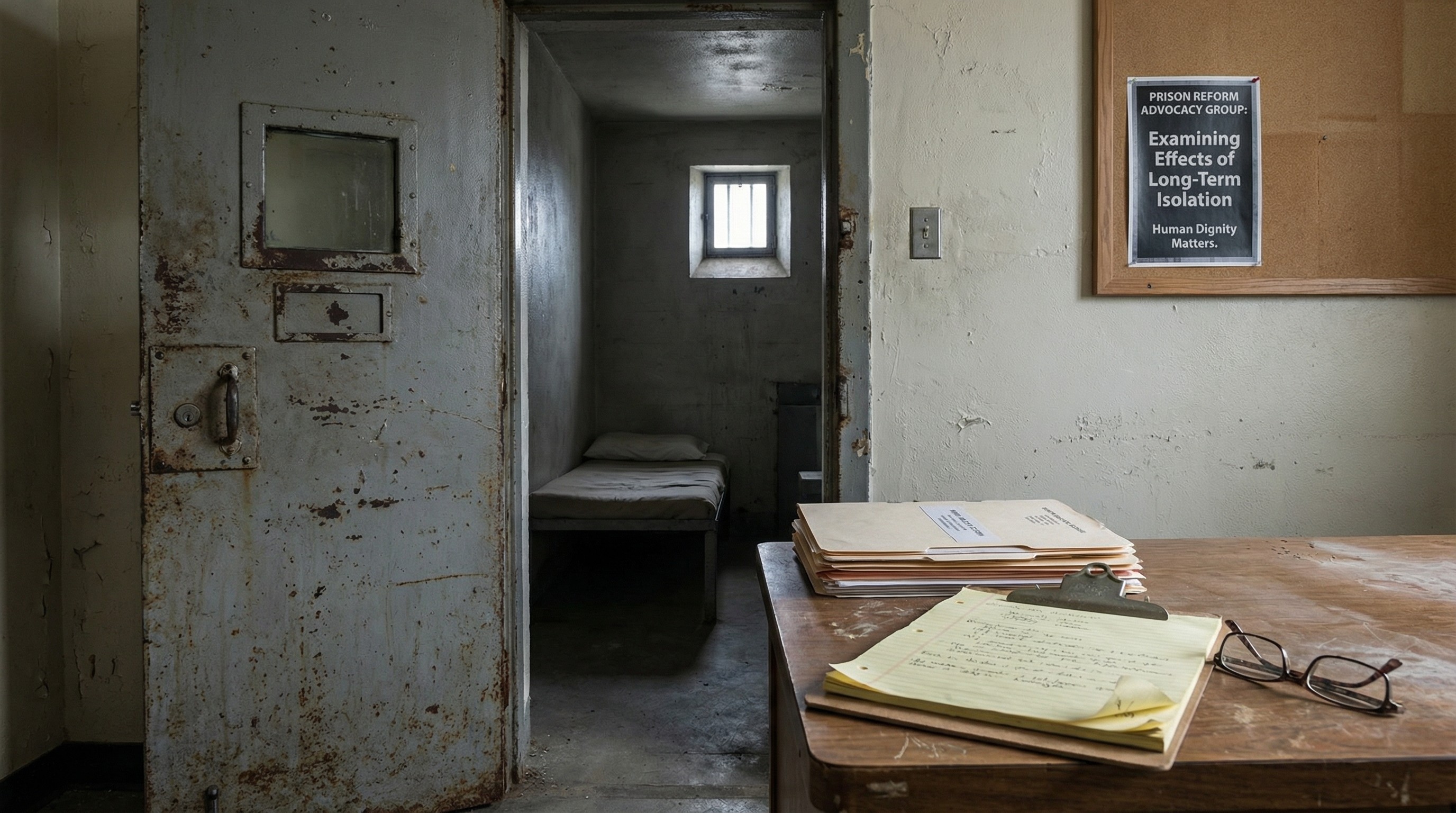
Understanding Solitary Confinement
Solitary confinement is a form of imprisonment in which an inmate is isolated from any human contact, often with the exception of prison staff. This practice has been a subject of intense debate, with critics arguing it can lead to severe mental and physical health issues. The conditions in solitary confinement can vary, but typically involve spending 22 to 24 hours a day in a small cell, with limited or no access to natural light, exercise, or social interaction.
Human Rights Implications
International human rights organizations have raised alarms over the use of solitary confinement, particularly when it is applied for prolonged periods. The United Nations' Standard Minimum Rules for the Treatment of Prisoners, commonly known as the Nelson Mandela Rules, explicitly prohibit indefinite and prolonged solitary confinement. According to these guidelines, solitary confinement should not exceed 15 consecutive days. Prolonged isolation can lead to psychological damage, including anxiety, depression, and hallucinations, highlighting the need for reform in prison systems globally.
Case Studies and Global Practices
Instances of solitary confinement have been reported worldwide, from developed nations to developing countries, each with varying degrees of regulation and oversight. In the United States, solitary confinement is used extensively, with thousands of inmates held in isolation at any given time. Other countries, such as Norway, have adopted more rehabilitative approaches, focusing on reintegration rather than punishment, which significantly limits the use of solitary confinement.
Calls for Reform
Efforts to reform solitary confinement practices are gaining momentum. Human rights advocates, legal experts, and former inmates are increasingly calling for changes to the system. Some jurisdictions have begun to implement reforms, such as limiting the duration of solitary confinement and increasing oversight and transparency. These changes aim to align prison practices with international human rights standards and improve the overall treatment of inmates.
The Future of Solitary Confinement
The debate over solitary confinement is likely to continue as policymakers, human rights organizations, and the public weigh the balance between security and humane treatment. Future reforms may focus on alternative disciplinary measures, enhanced mental health support for inmates, and greater accountability within the prison system. As awareness grows, there is potential for significant changes in how solitary confinement is used and perceived worldwide.