Heightened Tensions in Europe
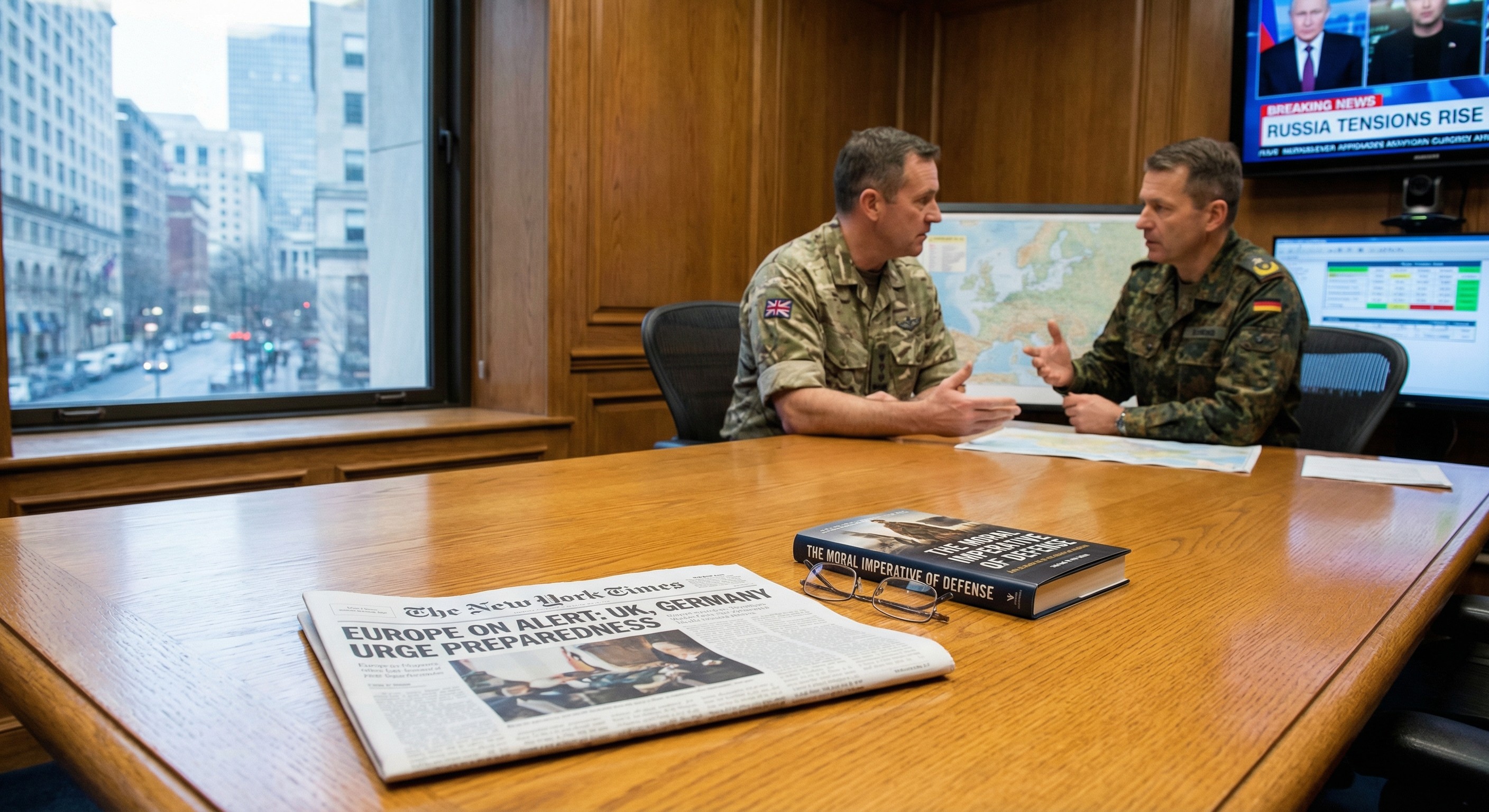
In an unprecedented move, senior military leaders from the United Kingdom and Germany have issued a joint appeal to the public, urging acceptance of the need for rearmament in light of potential conflict with Russia. This call to action underscores the growing unease within Europe regarding its security landscape and the perceived threats from the East.
The Moral Argument for Rearmament
The appeal, articulated by high-ranking officials, emphasizes the moral imperative of preparing for potential military engagement. This stance reflects a significant shift in the defense posture of two of Europe's largest military spenders. The leaders argue that rearmament should not be viewed as an act of aggression, but rather as a necessary response to the evolving security challenges posed by Russia.
Historical Context and Current Dynamics
Relations between Europe and Russia have been strained since the annexation of Crimea in 2014 and the ongoing conflict in Eastern Ukraine. These events have prompted a reevaluation of defense strategies across the continent. The current geopolitical climate, marked by Russia's military maneuvers and its assertive foreign policy, has further intensified these concerns, prompting calls for increased defense spending and military readiness.
Implications for European Security
The joint appeal by military leaders is not just a call for increased defense budgets, but also a broader plea for societal readiness to confront the realities of modern warfare. This includes acknowledging the financial and social costs associated with bolstering military capabilities. The leaders stress that a robust defense posture is crucial for maintaining peace and stability in Europe.
Looking Ahead: Preparing for Uncertain Times
As Europe navigates these uncertain times, the call for rearmament and public preparedness highlights the need for a cohesive and coordinated defense strategy. The implications of such a shift are significant, potentially affecting everything from budget allocations to international relations. As the situation evolves, European nations may need to balance their defense priorities with diplomatic efforts to de-escalate tensions and avoid conflict.