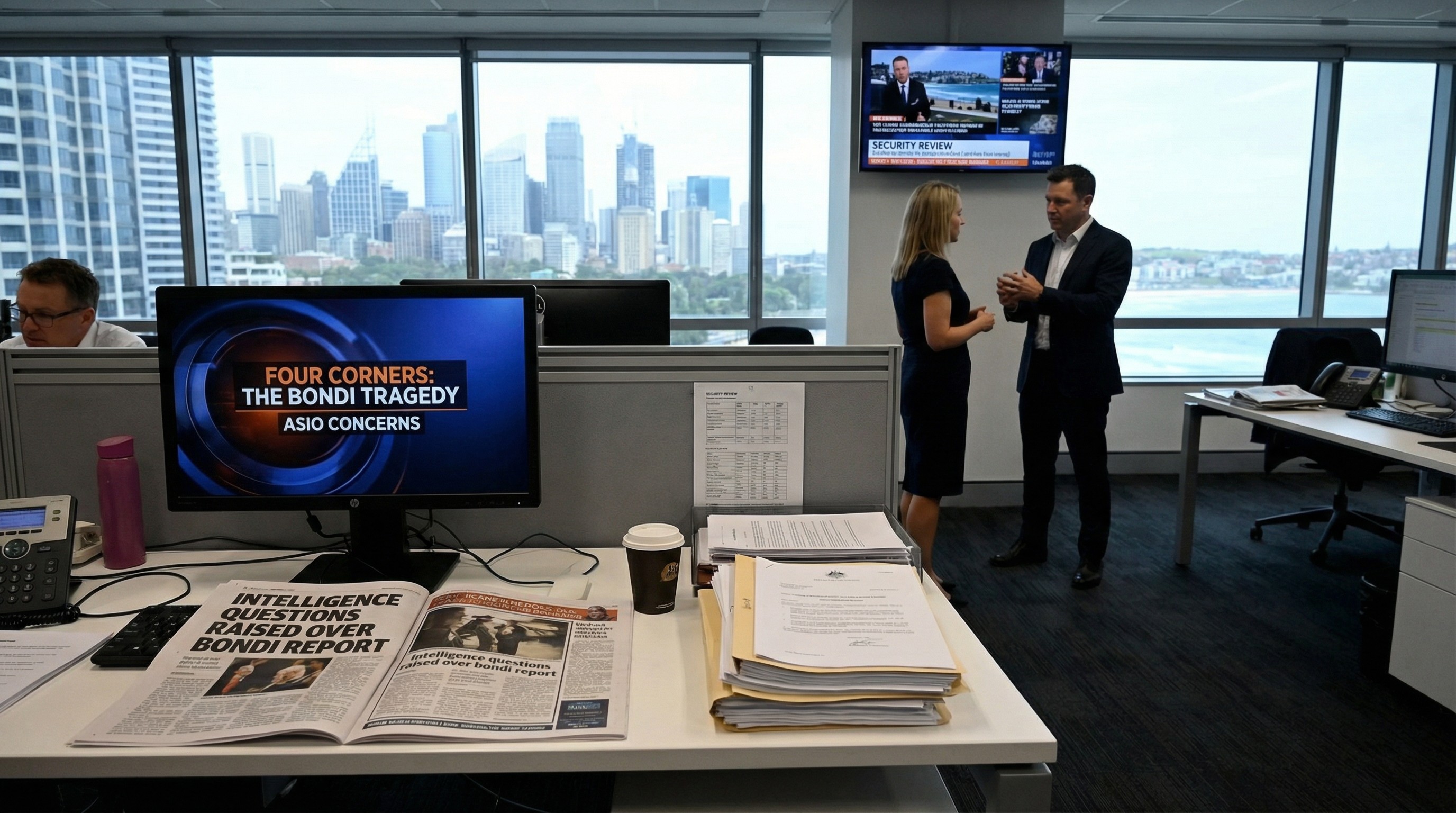
The release of an investigative episode by Australia's Four Corners program has sparked controversy, drawing a rare public response from the Australian Security Intelligence Organisation (Asio). The episode, set to air on Monday night, delves into the lives of Sajid and Naveed Akram, the alleged perpetrators of Australia's worst terrorist attack on Bondi Beach. Asio has preemptively criticized the episode, claiming it contains 'significant errors of fact.'
Asio's Unprecedented Public Statement
In an unusual move, Asio has issued a public statement regarding the Four Corners investigation, titled "Path to Terror." The intelligence agency has expressed concerns over the accuracy of the program, which examines potential intelligence and counter-terrorism failures leading up to the attack on December 14. Asio has warned that it 'reserves the right to take further action' if the program disseminates false claims.
Examining the Alleged Attackers
The Four Corners episode investigates the radicalization paths of Sajid and Naveed Akram, a father and son duo accused of carrying out the antisemitic massacre at Bondi Beach. The program aims to shed light on their transformation from ordinary citizens to individuals allegedly involved in terrorism. This exploration raises questions about the effectiveness of Australia's counter-terrorism measures and the ability of intelligence agencies to prevent such attacks.
Implications of Intelligence Failures
The potential failures in intelligence gathering and counter-terrorism efforts highlighted by the investigation have significant implications for national security. If the program's claims hold validity, they could indicate systemic weaknesses in the way intelligence is handled in Australia. This situation could prompt a reevaluation of current practices and lead to reforms aimed at enhancing the country's security apparatus.
Broader Impact on Public Trust
The controversy surrounding the Four Corners episode and Asio's response could impact public trust in both media and intelligence agencies. On one hand, if the program is found to have factual inaccuracies, it may undermine confidence in journalistic integrity. On the other, if Asio's concerns are unfounded, it could lead to questions about transparency and accountability within the intelligence community.
Outlook and Future Developments
As the episode airs, it is expected to generate significant public and media interest. The outcome of this controversy could influence future interactions between media outlets and intelligence agencies. It also underscores the delicate balance between national security and the public's right to know. Observers will be watching closely to see if Asio takes any further action based on the program's content, and whether this incident leads to broader discussions on intelligence oversight and media responsibility.