
Immigration Policy Under Scrutiny
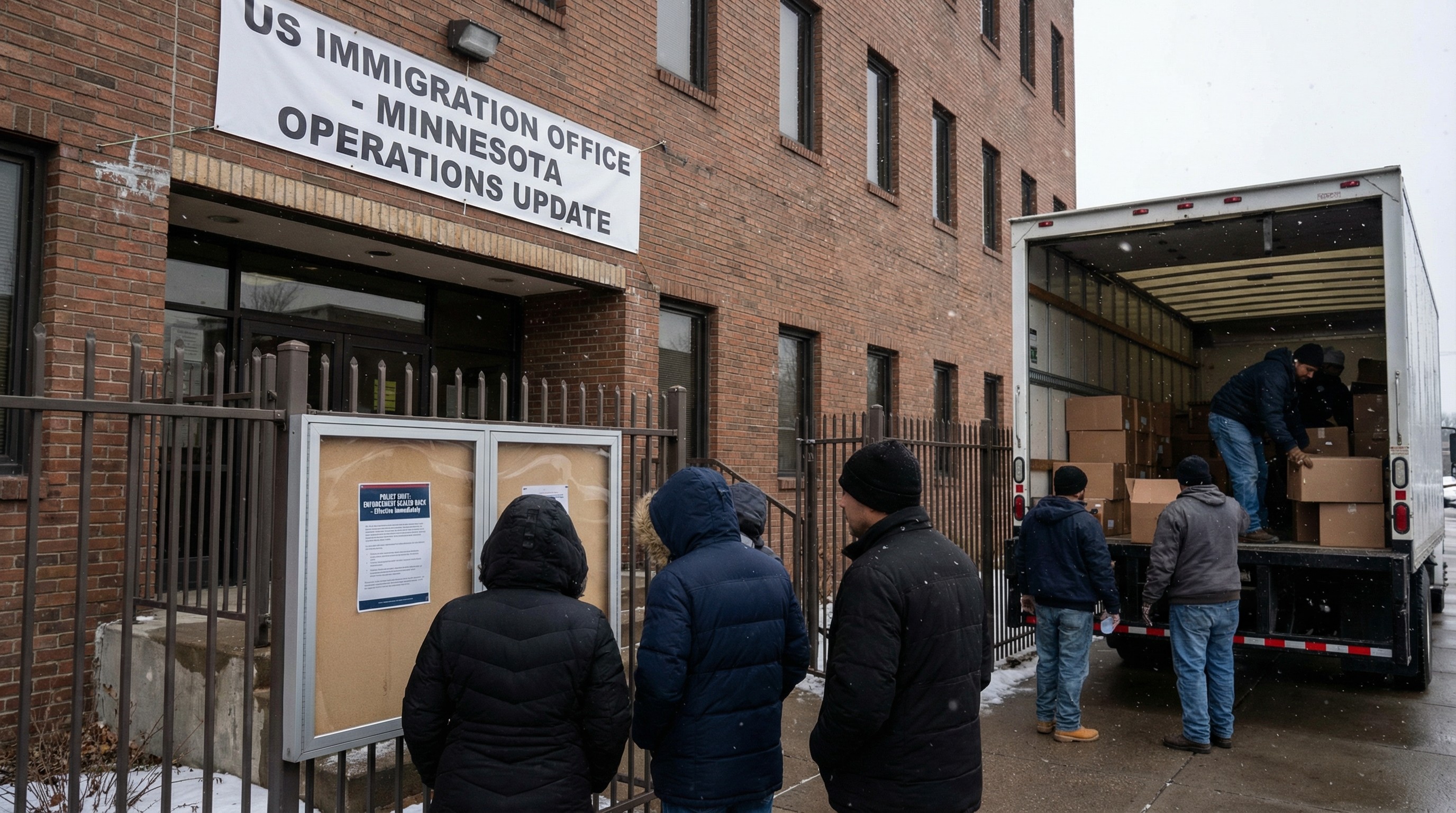
The U.S. administration's approach to immigration has come under intense scrutiny, as recent actions and rhetoric have sparked debate across the political spectrum. The focus has been on the confrontational style of enforcement and the perceived self-promotion by key figures within the administration. This has led to a reevaluation of ongoing operations, particularly in states like Minnesota, where federal presence is being scaled back.
Controversial Enforcement Tactics
At the heart of the controversy are the aggressive tactics employed by immigration authorities, which critics argue are unnecessarily harsh and counterproductive. These tactics have included high-profile raids and detentions that have drawn public protests and legal challenges. The administration defends its actions as necessary to uphold the rule of law and secure the nation's borders, but opponents claim they undermine community trust and exacerbate social tensions.
Political and Public Reactions
The political fallout from these policies has been significant, with both domestic and international observers expressing concern. Civil rights organizations and immigrant advocacy groups have been vocal in their opposition, lobbying for more humane and comprehensive immigration reforms. The issue has also become a point of contention in the upcoming elections, with candidates from both parties weighing in on the administration's approach.
White House Adjusts Strategy
In response to the growing criticism, the White House has announced a strategic shift in its operations, particularly in Minnesota. This decision is seen as an attempt to mitigate backlash and recalibrate its immigration strategy. Officials have indicated that the focus will now be on more targeted enforcement actions, prioritizing cases involving serious criminal activity over broad sweeps.
Implications for Future Policy
The adjustments in immigration policy and enforcement are likely to have significant implications for future U.S. immigration strategy. As the administration seeks to balance enforcement with humanitarian concerns, the outcome could set a precedent for how immigration issues are handled in the coming years. The debate over these policies underscores the complex nature of immigration reform and the challenges of crafting solutions that address security, economic, and human rights considerations.