
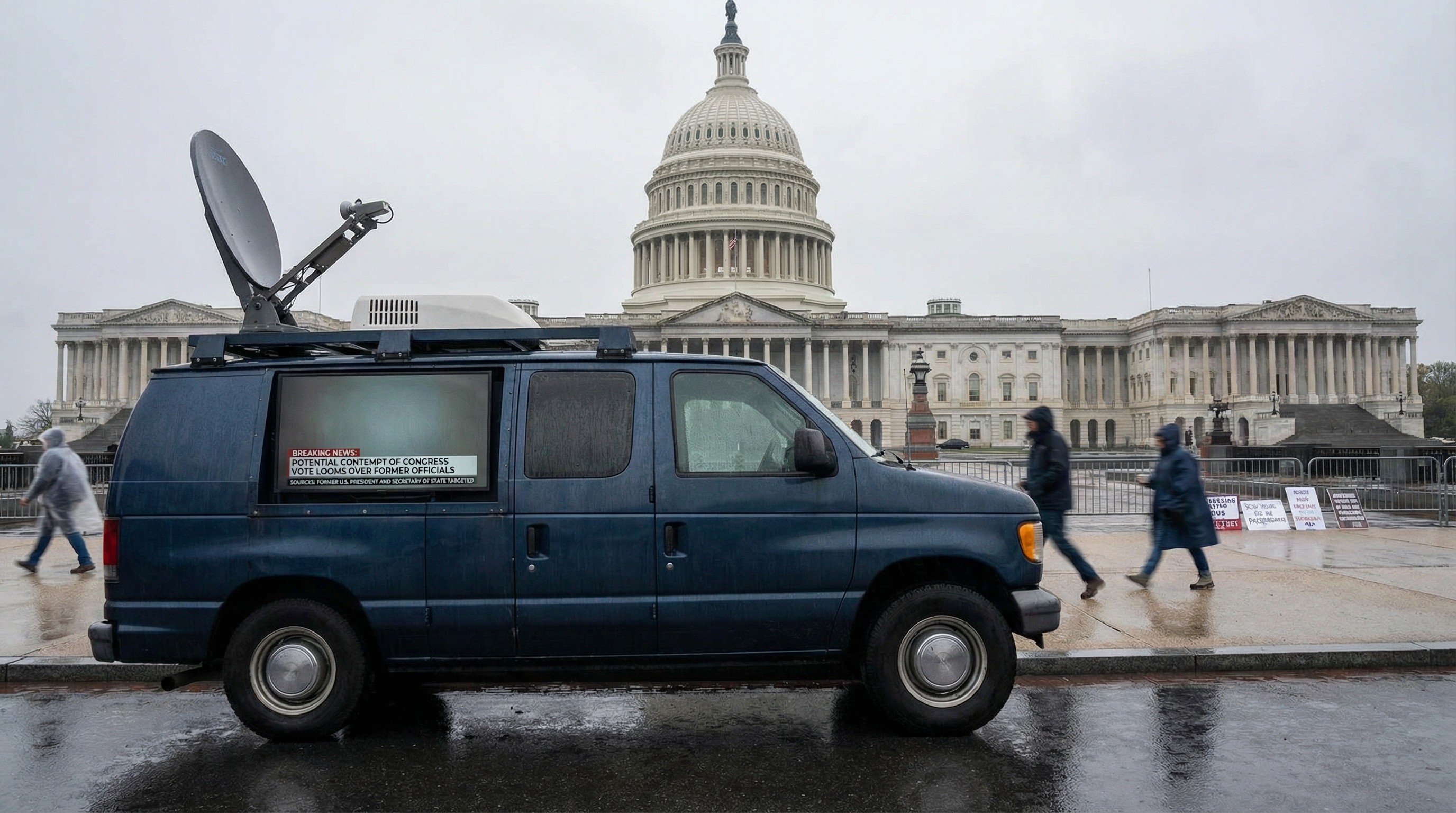
Background on the Congressional Investigation
In recent developments, the United States Congress is considering a contempt of Congress vote against a former president and a former secretary of state. This move comes amid ongoing investigations into actions taken during their tenure in office. The potential vote underscores the persistent tensions between legislative oversight and executive privilege, a longstanding issue in American politics.
Key Details of the Allegations
The allegations prompting this potential vote center on the refusal of these former officials to comply with subpoenas issued by congressional committees. These subpoenas are part of broader inquiries into specific actions and decisions made during their administration. The refusal to cooperate has raised significant legal questions about the limits of executive privilege, especially once officials leave office.
Legal and Political Implications
A vote of contempt of Congress is a serious legal measure that can result in penalties, including fines and imprisonment, although such outcomes are rare. More commonly, these votes serve as a political tool to highlight non-compliance and to pressure individuals to cooperate with investigations. The implications of such a vote extend beyond the individuals involved, potentially setting precedents for future interactions between Congress and former executive branch officials.
Historical Context and Precedents
Contempt of Congress votes have been used in the past to address non-compliance with legislative investigations. Historical precedents include instances where officials have been held in contempt for refusing to testify or provide documents. These actions often lead to legal battles over the scope of congressional oversight and the protections afforded by executive privilege.
Outlook and Broader Impact
The potential vote is a reminder of the ongoing challenges in balancing the powers of different branches of government. As Congress seeks to assert its oversight role, the outcomes of this situation could influence how future administrations interact with legislative inquiries. The broader impact may also affect public perception of accountability and transparency within the U.S. government.