
Background of the Incident
In a troubling development, newly released evidence has brought to light controversial practices within the U.S. Border Patrol. The focus is on an incident involving Marimar Martinez, a U.S. citizen who was shot five times by a border patrol agent during an immigration crackdown in Chicago last October. Initially charged with a felony, Martinez's case was dismissed after video evidence contradicted the official narrative presented by the Department of Homeland Security (DHS).
Details of the Shooting
The incident occurred when border patrol agents, acting under the Trump administration's aggressive immigration policies, confronted Martinez. DHS officials accused her of attempting to ram agents with her vehicle, leading to the shooting. However, subsequent video evidence revealed that an agent had actually steered his vehicle into Martinez's car, challenging the initial claims made by authorities.
Response from Border Patrol Leadership
Gregory Bovino, a former border patrol chief known for his role in the administration's mass deportation efforts, has come under scrutiny following revelations that he praised the agent involved in the shooting. This endorsement raises concerns about the culture within the agency, particularly regarding the use of force and the treatment of U.S. citizens during immigration enforcement operations.
Implications for Immigration Enforcement
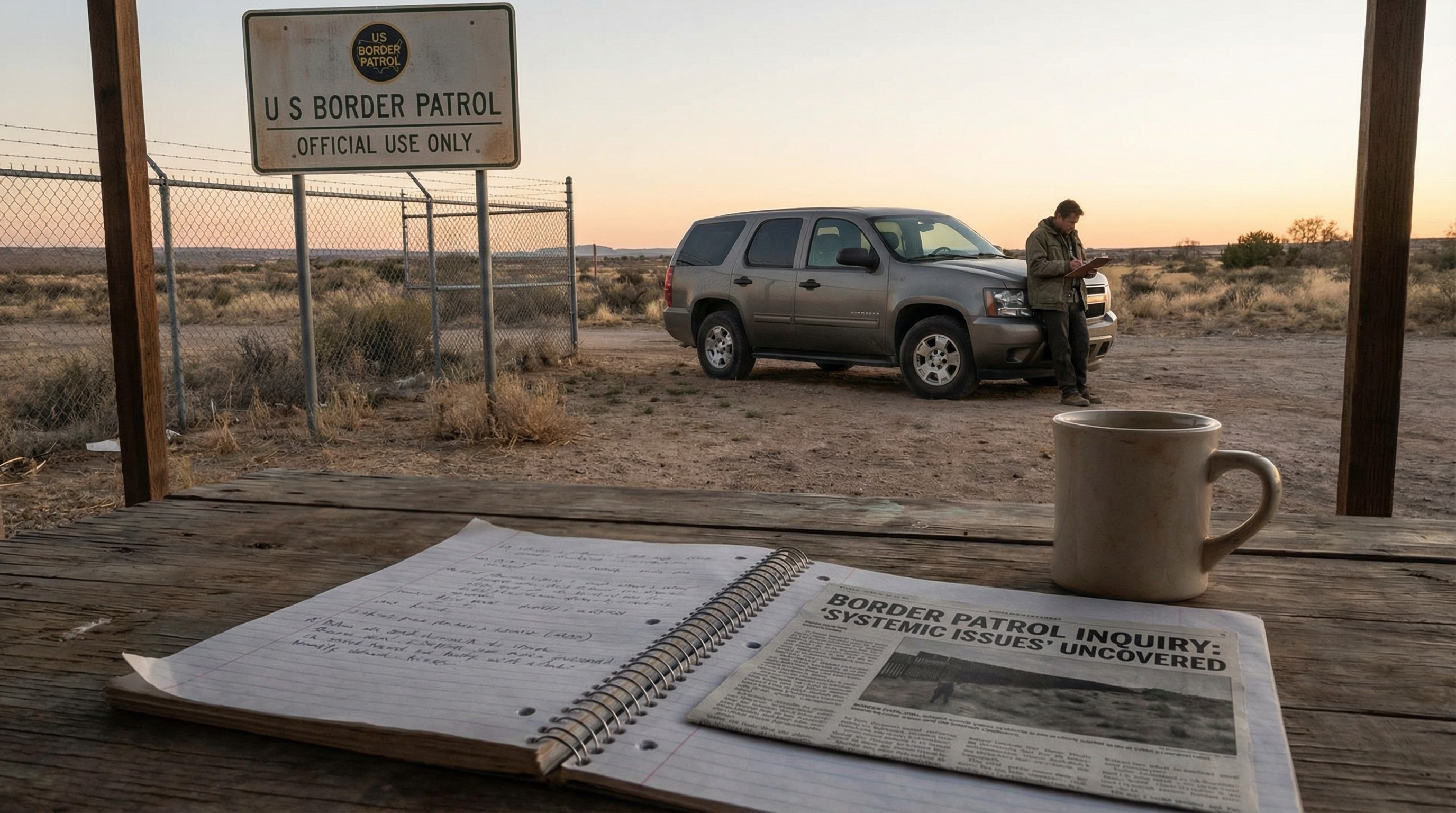
The incident and the subsequent dismissal of charges against Martinez have sparked renewed debate about the accountability and oversight of U.S. Border Patrol agents. Critics argue that such actions highlight systemic issues within the agency, including the potential for abuse of power and the need for greater transparency in operations. The case also underscores the challenges faced by citizens and immigrants alike in navigating a complex and often opaque immigration enforcement system.
Outlook and Potential Reforms
This case is likely to intensify calls for reform within the U.S. Border Patrol and DHS. Lawmakers and advocacy groups may push for increased oversight, clearer guidelines on the use of force, and enhanced training for agents. As the U.S. continues to grapple with immigration policy, this incident serves as a poignant reminder of the human impact of enforcement practices and the necessity of balancing security with civil liberties.